

Climate Change and Nutrition: The Role of Underutilised Plants

featured image - THINK 15 Article 1

Most concerns about climate change’s impact on food security have focused on the quantity of food produced, such as reductions in crop yield or slower growth rates in animals, with much less attention given to the nutritional quality of the food. As climate change increasingly affects food production, its impact on the nutritional quality of plant foods and possible ways to address it will receive greater attention.

When crops come under stress


Frequent and prolonged droughts in the Lower Mekong region and Cambodia, alongside recurring dry conditions in central Myanmar, are affecting key crops such as rice, cassava, sugarcane, and rubber, impacting

Favor_of_God / iStock

IMPORTANCE OF NUTRITION QUALITY IN FOOD

A seminal report released in October 2025, the EAT-Lancet Commission 2.0 report (“Report 2”), highlights food quality and nutritional value as central to nutrition, emphasising that the quality of food consumed is an important matter for health.1 Report 2 frames nutritious, high-quality diets as foundational — not optional — for good health. The “what” we eat (food quality, nutrition) matters as much as the “how much” (calories) and is essential for achieving the twin goals of human health and environmental sustainability. Without attention to nutritional value, a global food transition risks merely safeguarding calories — not lives, health, or equity. To address this, a key recommendation of the report is the Planetary Health Diet.

The Planetary Health Diet (PHD) specifies food groups and portions to ensure nutrient adequacy: whole grains, vegetables, fruits, legumes, nuts, and limited amounts of animal protein, saturated fat, sugar, and processed foods.2 The diet aims to provide a balanced mix of macronutrients, fibre, vitamins, and minerals, rather than just “enough calories.” Its flexibility allows adaptation to local diets and cultural traditions — recognising that “healthy” nutrition varies by location.3 The goal is not merely to provide enough calories, a concern rooted in the Second World War, but to ensure healthy, nutrient-adequate diets for everyone. Although global food production generates enough calories overall, many people still suffer from malnutrition, poor diets, or overconsumption of unhealthy foods.4 The PHD offers a better balance of macro- and micronutrients, fibre, vitamins, minerals, and important bioactive compounds that support long-term health, lower disease risk, and improve quality of life.5

The “what” we eat (food quality, nutrition) matters as much as the “how much” (calories) and is essential for achieving the twin goals of human health and environmental sustainability.

Given global inequalities — with some populations under-consuming and others over-consuming — focusing on food quality helps address both undernutrition and overnutrition/diet-related disease in a balanced way.6 Nutritious diets are therefore part of a broader “safe and just space”: what people eat must sustain both human health and environmental health.


Approximately 17.9 million children are stunted, and 5.4 million children suffer from wasting (acute undernutrition) across ASEAN Member States. Micronutrient deficiencies, such as anaemia and lack of vitamins and minerals, remain widespread. In many Southeast Asian countries, this is classified as a moderate or severe public health problem among children (6–59 months), women of reproductive age, and pregnant or lactating women.7 Around 63.4 million people continue to be undernourished in ASEAN, based on 2017–2019 data.8 An estimated one in two children in the region has at least one micronutrient deficiency.9 Widespread micronutrient deficiencies mean many children and adults may suffer from “hidden hunger” — lacking essential vitamins and minerals even if they consume enough calories. This undermines health, immunity, and development.


Poor-quality diets, even when providing enough energy, also contribute to chronic diseases such as heart disease, diabetes, cancer, and obesity. The Report 2.0 argues that transforming diets globally could prevent up to 15 million premature deaths each year.10


Climate change (CC) can lower nutrition levels in food, leading to malnutrition, an important aspect of food insecurity.

Not all plates are equal


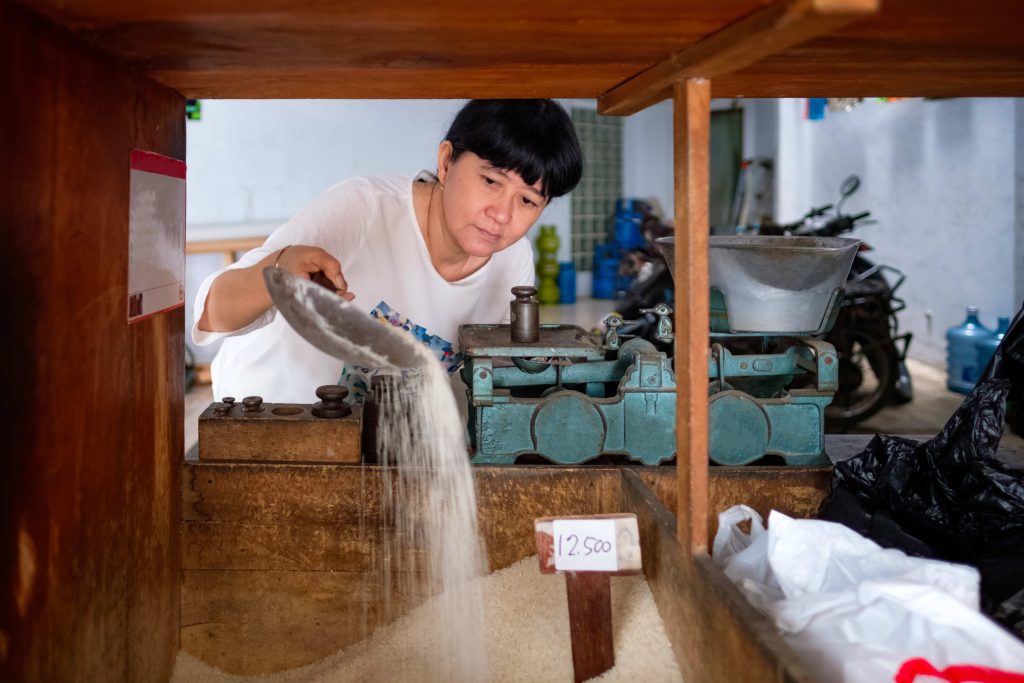
A 2024 report by the Access to Nutrition Initiative (ATNI) found that major global food companies including Nestlé, PepsiCo and Unilever sell less healthy products in low-income countries than in high-income ones, with average health scores of 1.8/5 compared to 2.3/5 in richer markets.

Photo: andresr / iStock

Widespread micronutrient deficiencies mean many children and adults may suffer from “hidden hunger” — lacking essential vitamins and minerals even if they consume enough calories.

CLIMATE CHANGE CAUSED BY INCREASED GREENHOUSE GAS EMISSIONS

Climate change phenomena such as drought and high temperatures are caused by increased emissions of greenhouse gases (GHGs), primarily carbon dioxide (CO₂), methane (CH₄), and nitrous oxide (N₂O). These three GHGs are responsible for most of the global warming related to climate change, especially in affecting weather patterns and causing sudden severe weather events. GHGs are known to affect crop growth, yield, and composition.

The cost of clearing land


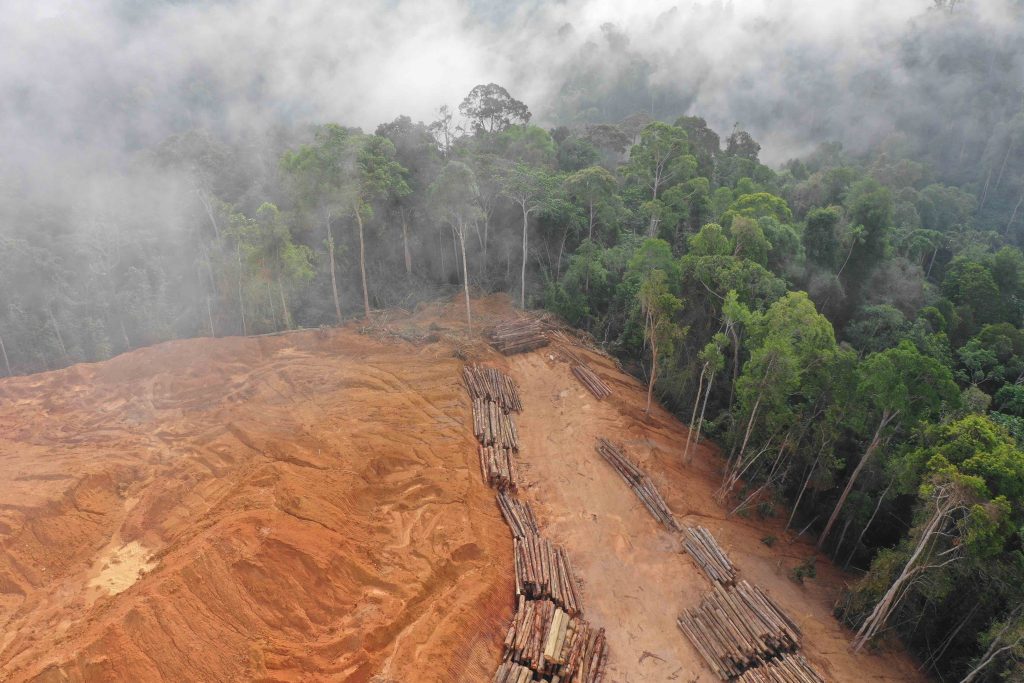
Southeast Asia contributes about one-third of global land-use emissions, driven by deforestation and the clearing of peatlands and mangroves for agriculture. When intact, these ecosystems serve as major carbon sinks, storing vast amounts of carbon.

Photo: richcarey / iStock

Carbon dioxide makes up about 0.042%, or about 420 parts per million (ppm),11 of the air we breathe and is essential for a plant process called photosynthesis. Photosynthesis uses CO₂ to produce sugars and other organic compounds. Therefore, increasing the CO₂ level can increase the rate of production of these compounds, as long as other factors are not limiting.


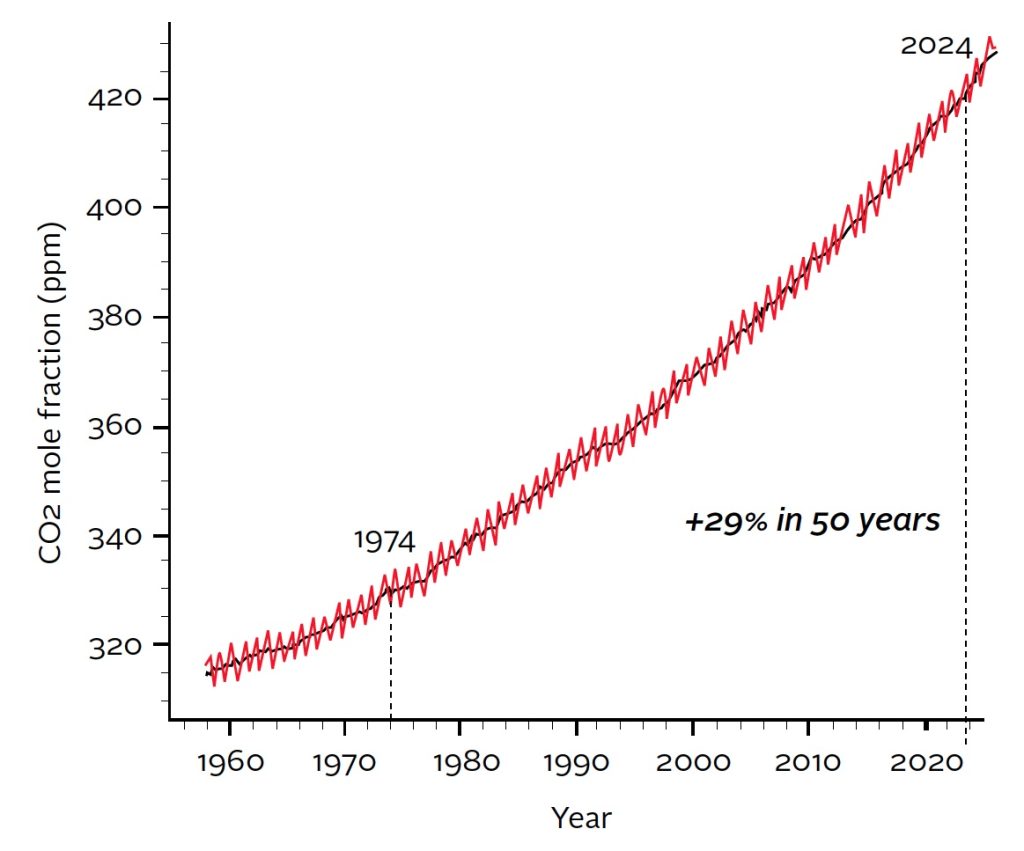
The reference CO₂ monitor is located at Mauna Loa in Hawaii, and levels have been rising from the preindustrial reference of 280 ppm to 330 ppm in 1974, and reaching 425 ppm in 2024. This is a 29% increase over the past fifty years.


The phenomenon of rising CO₂ levels impacting plants is known as CO₂ fertilisation, and research shows that it affects the nutritional quality of crops used for human consumption. The CO₂ fertilisation effect can lead to decreases in essential nutrients such as protein and minerals in some crops, resulting in lower nutritional value and potential health consequences for humans and animals that rely on these crops.

Rising atmospheric CO₂ levels (Mauna Loa)12


Monthly mean atmospheric CO₂ measured at Mauna Loa Observatory, Hawaii — the longest continuous record of direct atmospheric CO₂ measurements (NOAA; Scripps Institution of Oceanography).

The phenomenon of rising CO2 levels impacting plants is known as CO2 fertilisation, and research shows that it affects the nutritional quality of crops used for human consumption.

THE EVIDENCE OF CLIMATE IMPACT ON FOOD

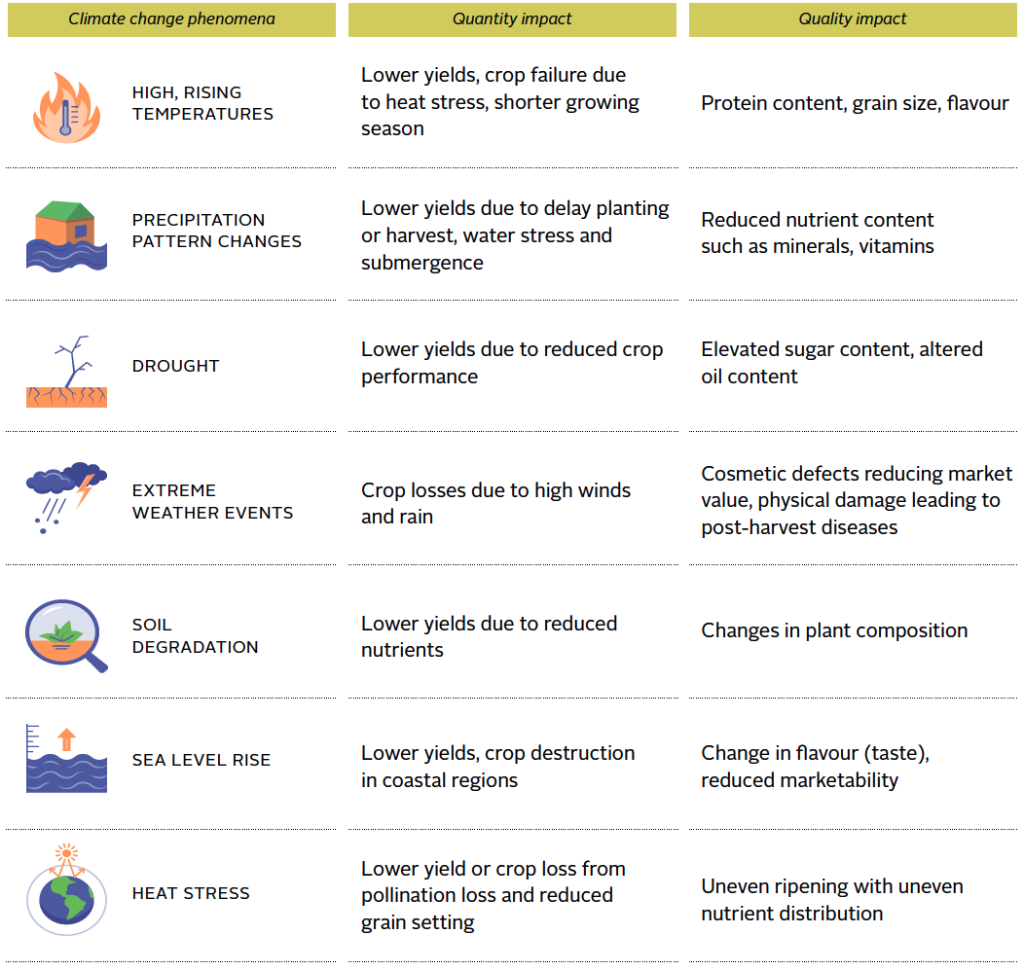
There is extensive data on the impact of selected climate change phenomena on food quantity and quality, as summarised in the table below.

Data compiled by the author from multiple sources.13

However, apart from the CC phenomena caused by rising levels of GHGs, each GHG itself has the potential to affect crop quality. Increased Carbon Dioxide (CO₂) reduces protein and micronutrients (iron, zinc), may increase carbohydrate content, decrease protein, B vitamins, zinc, iron, and amylose. Increased Methane (CH₄) leads to a decrease in protein and amino acids indirectly due to climate change effects such as warming and water regime changes; it also indirectly reduces grain quality through warming, negatively impacting grain filling, as well as protein and starch composition. Increased release of N₂O leads to reduced nitrogen for plants, affecting protein balance and grain uniformity. Excessive nitrogen use to compensate for N₂O reduces grain quality and increases nitrate accumulation in soils.


Protecting food quality from the impacts of increasing greenhouse gases (GHGs) such as CO₂, N₂O, and CH₄ will require a combination of agricultural adaptation, emission reduction, and nutritional monitoring.

The hidden loss in rice


Rice grown under elevated CO₂ levels can contain significantly less protein, iron, zinc and B vitamins, according to field studies in Asia. While yields may be maintained, the nutritional value declines, leaving staple foods that look unchanged but provide fewer essential nutrients to millions who rely on them daily.

Photo: Willy Sebastian / iStock

Underutilised plants hold great potential to become the “future food” that transforms food systems, making them more resilient to climate change and supply chain disruptions.

UNDERUTILISED PLANTS TO IMPROVE NUTRITION

One often overlooked way to address nutrition inadequacies and simultaneously enhance climate resilience is the increased use of underutilised foods in diets, especially among impoverished rural communities. As the EAT-Lancet PHD highlights the importance of resilient, diverse plant-based foods, these recommendations become more urgent as climate impacts intensify. The transition to nutrient-rich, climate-resilient crops (such as pulses, nuts, fruits, and coarse grains) becomes even more critical, some of which may be among the “underutilised crops”.14

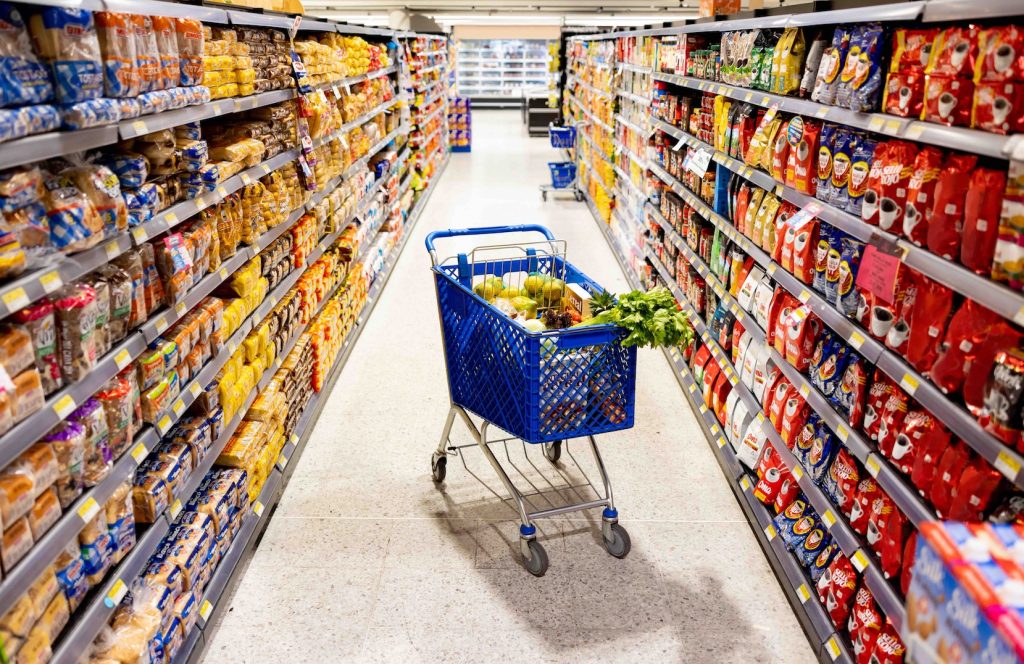
Traditional diets are more diverse, especially in the consumption of plants that provide minerals, vitamins, and other phytochemicals essential for balanced nutrition. However, modern food supply chains and the “supermarket phenomenon” have narrowed the range of vegetables consumed, especially among urban consumers. There is now renewed interest in so-called “underutilised” plants as supplements to modern diets, 15 especially to provide more balanced nutrition and as a buffer against climate change, since many of these plants are indigenous and have adapted well over aeons to variable weather conditions. They also require less fertiliser, water, and care. Underutilised plants hold great potential to become the “future food” that transforms food systems, making them more resilient to climate change and supply chain disruptions. This point has also been recognised in the EAT-Lancet Report 2.

Not all plates are equal


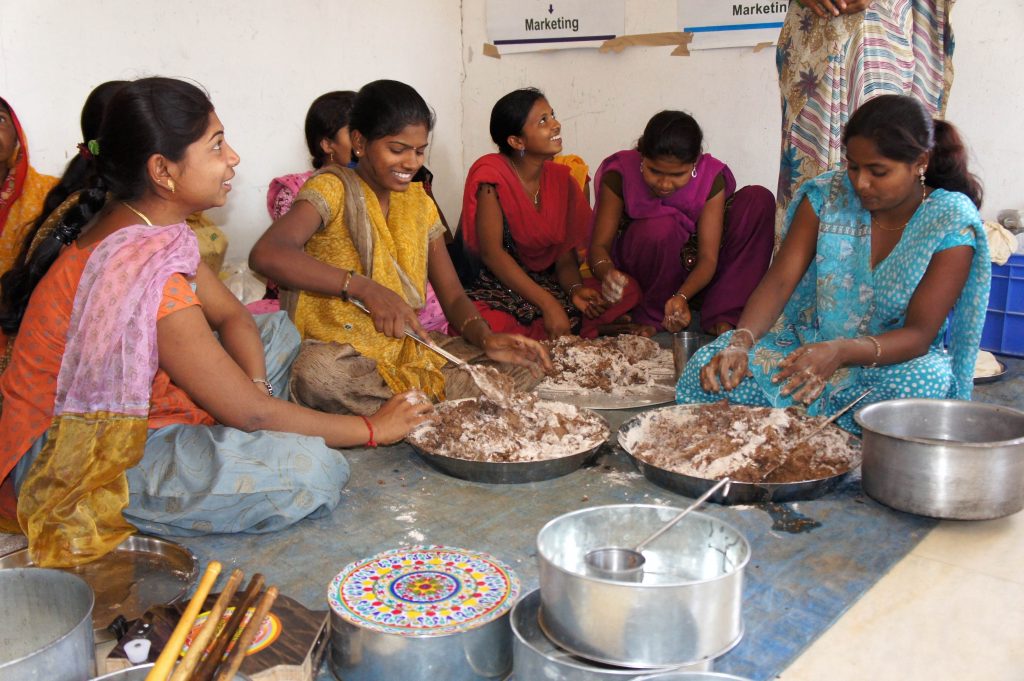
Tribal women in Gujarat prepare pappad from finger millet (Eleusine coracana), a traditional crop rich in nutrients and well adapted to dry conditions. Long overlooked in modern food systems, such underutilised crops are gaining renewed attention for their potential to improve nutrition and strengthen resilience to climate change.

Source: Crops for the Future (CC BY-SA 3.0)

Southeast Asia is home to many underutilised plants that show promise for future food systems. These plants have high nutritional, ecological, and cultural value and are climate-adaptive.

Several underutilised crops that have recently been commercialised and made available to urban consumers include Duckweed (Wolffia spp.), Tiger nut (Cyperus esculentus), and Adlai rice (Coix lacryma-jobi). Seaweeds, for example, have long been consumed in Sabah as salads, with the puree used to make fish sausages, noodles, and bakery products. In Indonesia, many coastal communities use sea grape species and other red seaweeds for food, seasonings, and traditional medicine. Sea grapes (Caulerpa lentillifera) are already being cultivated and processed in the region, and for export to markets such as Japan, the Philippines, and China.


Many local communities use wild leafy greens to supplement diets, but they are not widely cultivated or commercialised. A case in point is the Paku fern, which is popular in Sarawak, Malaysia, due to its unique nutritional properties.


Roots and tubers, such as yams, in rainfed regions of Southeast Asia are also the main source of carbohydrates for energy in areas where rice cannot be grown. Likewise, many legume species have been consumed for their protein content.


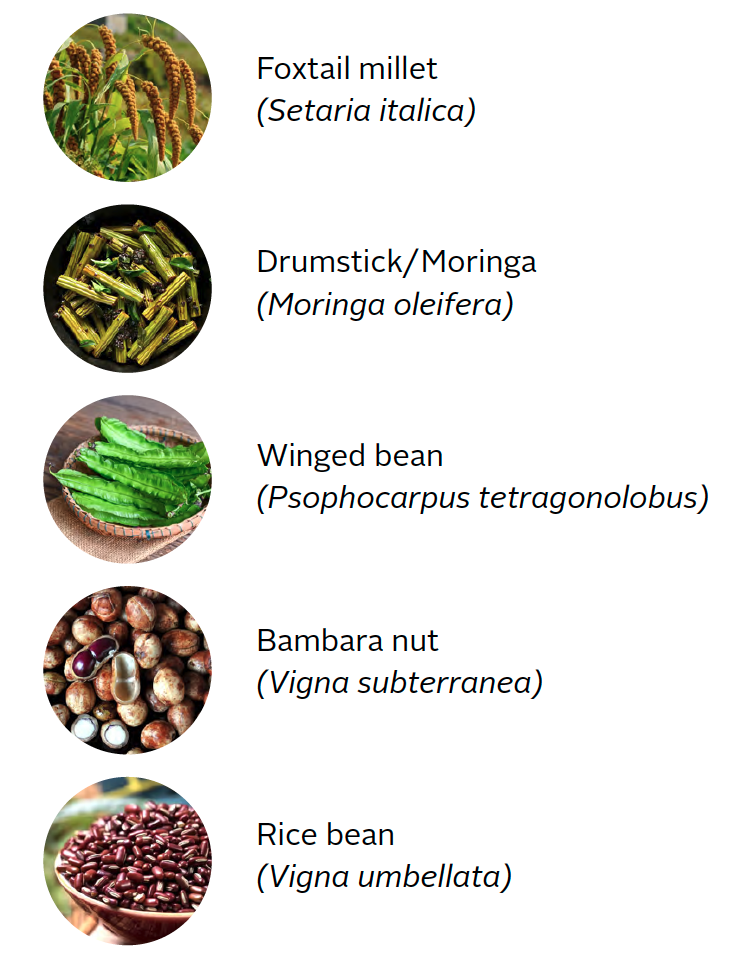
Many plants are being rediscovered, but their cultivation requires scaling up and commercialisation. These plants have great potential as alternative food sources:

Southeast Asia is home to many underutilised plants that show promise for future food systems. These plants have high nutritional, ecological, and cultural value and are climate-adaptive. Only a small fraction of Southeast Asia’s plant biodiversity has been exploited. The search for more underutilised crops of the future is being led by many international agricultural research centres, such as the Crops for the Future Research Centre16 and the World Vegetable Centre.17 Underutilised plants possess many qualities desirable for future food systems, particularly their adaptation to local environments, climate resilience, nutritional quality, and ease of cultivation.


As climate change intensifies and impacts plants and their nutritional value, and as nutritionists promote a more plant-based diet for health, it becomes necessary to expand the range of plants available to consumers. Underutilised plants can meet this need. ∞

PROF PAUL TENG

Prof Paul Teng is Senior Consultant at NIE International Pte Ltd, Singapore. He previously served as Dean for Graduate Studies and Professional Learning at the National Institute of Education, and as Head of the Natural Sciences and Science Education Academic Group, and is recognised for his work in food security and rural economic transformation.

He has held senior roles including Deputy Director-General of the WorldFish Centre and Senior Adviser at A*STAR’s BioMedical Research Council. He currently advises climate and agri-tech start-ups and is Co-Founder of Asia BioBusiness and Terrasys Innovation Systems. He is a recipient of the Eriksson Prize from the Royal Swedish Academy of Science and has authored or co-authored 15 books and over 250 technical papers.

2026 | ISSUE 15

THE FIGHT FOR (GOOD) FOOD

  1. Rockström, Johan et al. “The EAT–Lancet Commission on healthy, sustainable, and just food systems.” The Lancet, vol 406, no 10512, Oct 2025, pp 1625-1700, https://www.thelancet.com/journals/ lancet/article/PIIS0140-6736(25)01201-2/abstract.
  2. Daley, Hannah, and Dan Clarke. “The 2025 EAT-Lancet commission explained.” IGD, 8 Oct 2025, https://www.igd.com/articles/the2025-eat-lancet-commission-explained/71766.
  3. Fanzo, Jessica, and Bianca Carducci. “A Blueprint for Survival: New EAT-Lancet Report Is a Sustainable Food Systems Roadmap.” Columbia Climate School, 3 Oct 2025, https://news.climate. columbia.edu/2025/10/03/a-blueprint-for-survival-new-eat-lancetreport-is-a-sustainable-food-systems-roadmap/. 
  4. “2019 EAT-Lancet Summary Report.” EAT Forum, https://eatforum. org/eat-lancet/summary-report/. Accessed 27 Jan 2026. 
  5. Fanzo, Jessica, and Bianca Carducci. “A Blueprint for Survival: New EAT-Lancet Report Is a Sustainable Food Systems Roadmap.” Columbia Climate School, 3 Oct 2025, https://news.climate. columbia.edu/2025/10/03/a-blueprint-for-survival-new-eat-lancetreport-is-a-sustainable-food-systems-roadmap/.
  6. Grylls, Bethan. “EAT-Lancet Commission offers eight-point plan for a fairer, more sustainable and healthy global food system.” Food Manufacture, 2 Oct 2025, https://www.foodmanufacture.co.uk/ Article/2025/10/02/eat-lancet-commission-offers-eight-point-planfor-a-fairer-more-sustainable-and-healthy-global-food-system/.
  7. “Regional Report on Nutrition Security in ASEAN Volume 1 and 2.” UNICEF, Mar 2016, https://www.unicef.org/eap/media/1321/file/ Regional%20Report%20on%20Nutrition%20Security%20in%20 ASEAN%20Volume%201%20and%202.pdf.
  8. “ASEAN Food and Nutrition Security Report 2021.” ASEAN, Aug 2022, https://asean.org/wp-content/uploads/2022/04/Digital_ ASEAN_FNSR_Volume1_22-8-2022_FINAL.pdf. Accessed 27 Jan 2026.
  9. “Southeast Asia Regional Report on Maternal Nutrition and Complementary Feeding.” UNICEF, Oct 2021, https://www.unicef.org/eap/media/9466/file/ MaternalNutritionandComplementaryFeedingRegionalReport.pdf.
  10. Rockström, Johan et al. “The EAT–Lancet Commission on healthy, sustainable, and just food systems.” The Lancet, vol 406, no 10512, Oct 2025, pp 1625-1700, https://www.thelancet.com/journals/ lancet/article/PIIS0140-6736(25)01201-2/abstract.
  11. Lindsey, Rebecca. “Climate change: atmospheric carbon dioxide.” Climate.gov, 21 May 2025, https://www.climate.gov/newsfeatures/understanding-climate/climate-change-atmosphericcarbon-dioxide#:~:text=In%20May%202024%2C%20carbon%20 dioxide,ppm%2C%20also%20a%20new%20record.
  12. “Trends in CO2.” Global Monitoring Laboratory, https://gml.noaa. gov/ccgg/trends/mlo.html. Accessed 27 Jan 2026.
  13. Teng, Paul. “Changing Diets Amid a Changing Climate.” Fulcrum, 2 Jan 2026, https://fulcrum.sg/changing-diets-amid-a-changingclimate/.
  14. Teng, Paul. “Changing Diets Amid a Changing Climate.” Fulcrum, 2 Jan 2026, https://fulcrum.sg/changing-diets-amid-a-changingclimate/.
  15. John, Oliver Dean et al. “Plant-Based Functional Foods from Borneo.” Nutrients 2025, vol 17, no 2, 7 Jan 2025, p 200, https://doi. org/10.3390/nu17020200.
  16. Pangestuti, Ratih et al. “Sea grape”-based traditional foods in Indonesia: a glimpse into the tropical coastal culinary heritage. Journal of Ethnic Foods, vol 12, no 20, 22 May 2025, https://doi. org/10.1186/s42779-025-00281-7.
  17. “Crops for the future.” University of Nottingham, https://www. nottingham.ac.uk/research/collaborate/projects/cropsfuture.aspx. Accessed 27 Jan 2026. 15 “The World Vegetable Center | Working on Food Diversity Since 1971.” World Vegetable Center, http://avrdc.org/. Accessed 27 Jan 2026.

Join our mailing list

Stay updated on all the latest news and events

About

Leaders and changemakers of today face unique and complex challenges. The HEAD Foundation Digest features insights and opinions from those in the know addressing a wide range of pertinent issues that factor in a society’s development. 

Informed opinions can inspire healthy discussions and open up our imagination to new possibilities. Interested in contributing? Write to us at info@headfoundation

Stay updated on our latest announcements on events and publications

Join our mailing list

Stay updated on all the latest news and events