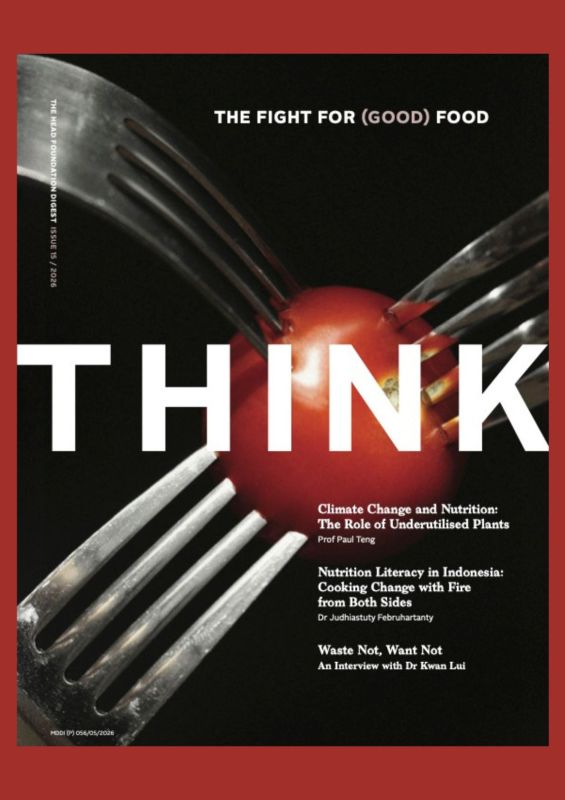


The Fight for (Good) Food
Food is one of the most intimate and taken-for-granted parts of our lives. It nourishes us, connects us to the land, and shapes the way we live. Yet behind every meal lies a complex web of choices, systems, and challenges that determine who has access to nutritious food, how it is produced, and whether our food systems can endure in a changing world.
In this issue of THINK, we explore the fight for good food—not simply the challenge of feeding populations, but the larger questions of nutrition, sustainability, and equity. From climate change and nutrition literacy to alternative proteins and urban farming, our contributors examine the forces shaping what ends up on our plates and what that means for our collective future.
Together, these articles reveal that food sits at the intersection of health, education, climate, economics, technology, and community. Our contributors remind us that lasting change requires informed choices, thoughtful policies, and stronger connections between people and the systems that sustain them.
In this issue
- Climate Change and Nutrition: The Role of Underutilised Plants
Food security is about more than calories. Prof Paul Teng explores how climate change is affecting the nutritional quality of food and argues that overlooked, climate-resilient crops could play a vital role in building healthier and more sustainable food systems.
- Novel Foods and Alternative Proteins for a Sustainable Urban Food System
Prof William Chen discusses how alternative proteins and emerging food technologies could help cities strengthen food resilience while reducing environmental pressures.
- Nutrition Literacy in Indonesia: Cooking Change with Fire from Both Sides
Dr Judhiastuty Februhartanty examines how nutrition education, policy, and community engagement can work together to improve health outcomes across generations.
… and many more.
Climate Change and Nutrition: The Role of Underutilised Plants
Most concerns about climate change’s impact on food security have focused on the quantity of food produced, such as reductions in crop yield or slower…
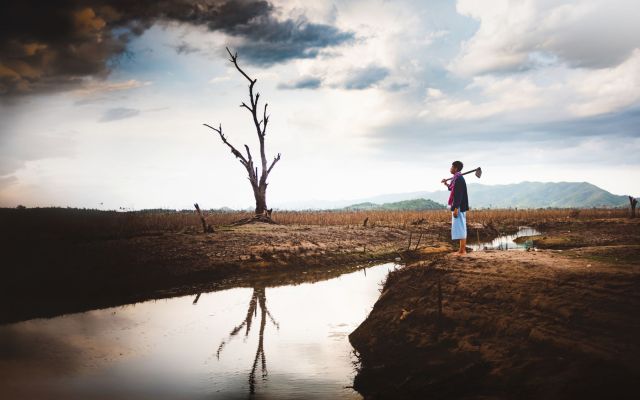
Feeding the Future Without Draining the Planet
Climate change is no longer a distant threat to food systems. It is already reshaping where, when, and how food is grown, and how much…
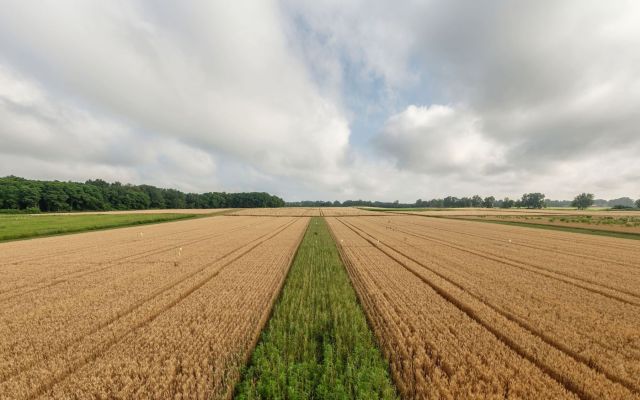
Innovations and Pathways for Food Security and Nutrition
Food security, defined as sustained access to safe, sufficient, and nutritious food, is increasingly under strain, with direct and far-reaching implications for nutrition, human health,…
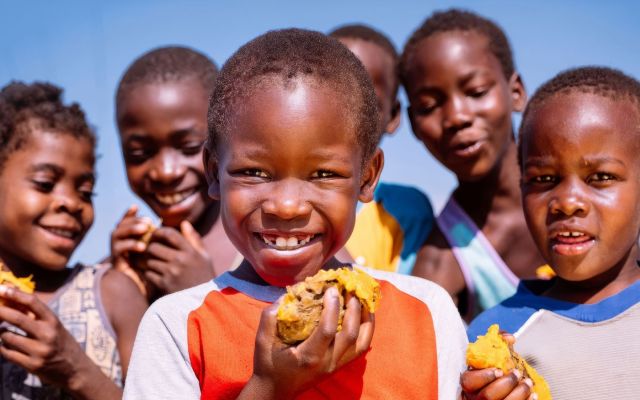
The Food Choices within Our Reach: A Conversation with Dr Maleena Suppiah Cavert
The realities of modern food production and living have influenced what we eat. Cost and convenience, even culture and community play a role in how…

Novel Foods and Alternative Proteins for a Sustainable Urban Food System
With the world’s population projected to reach 9 billion in 2050, food security is becoming an increasingly important global issue. The increase in population, changes…
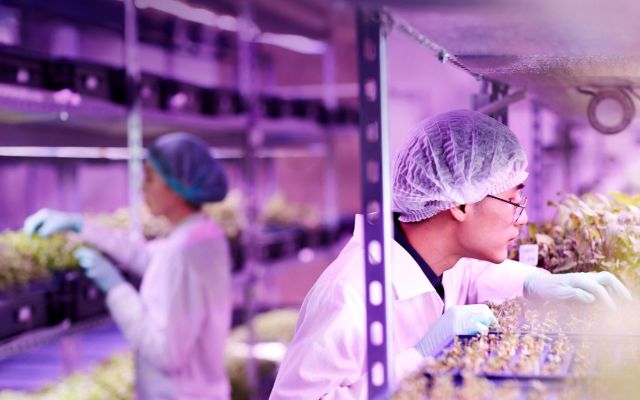
Plotting for Health: Urban Agriculture’s Answer to Malnutrition
We often associate malnutrition with rural areas. In the era of urbanisation, this is changing. While rural areas still show higher percentages of malnutrition, the…
Nutrition Literacy in Indonesia: Cooking Change with Fire from Both Sides
In many Indonesian classrooms, nutrition is taught quietly using modest approaches that help teachers feel at ease when delivering the nutrition messages. To the extreme,…

Waste Not, Want Not: An Interview with Dr Kwan Lui
In an era where sustainability is now a matter of survival rather than a corporate buzzword, food waste has become a necessary part of the…
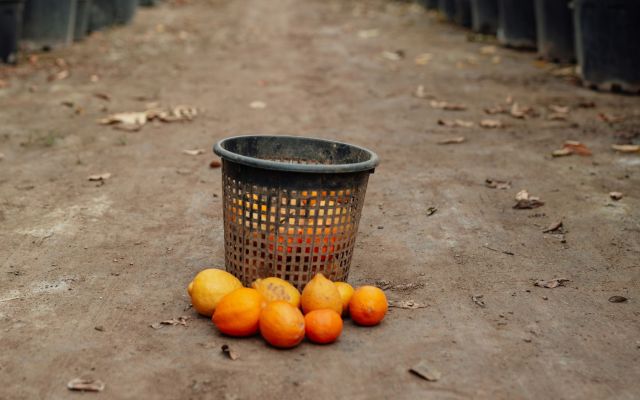
Feeding Childrenin a Changing World: Navigating the Dual Burden of Malnutrition
Globally, and increasingly across Southeast Asia, malnutrition no longer presents as a single story of undernourished children. Rather, like a forked road, malnutrition is bifurcating…
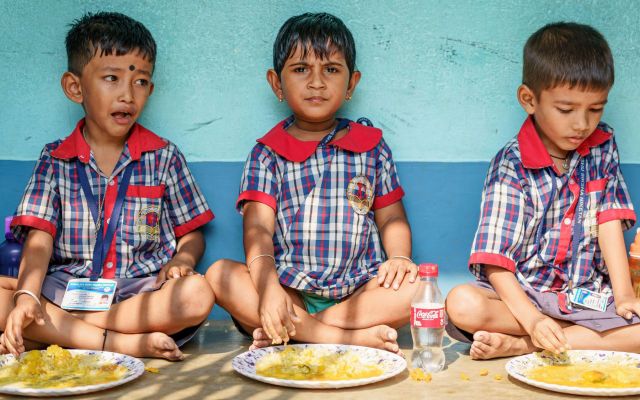
Are We Setting Ourselves Up for Frailty?
Unlike traditional Blue Zones, Singapore is often described as an engineered Blue Zone, one shaped by deliberate government policies, urban planning, and food systems rather…