

The realities of modern food production and living have influenced what we eat. Cost and convenience, even culture and community play a role in how our meal comes together. We spoke to Dr Maleena Suppiah Cavert on the nuanced challenges that ordinary people deal with daily when it comes to food, and the little things we can do to eat better.
THE COST PARADOX
What do you think is the biggest food problem today? Not just in Singapore, but more generally, in terms of what we eat and our nutrition.
Almost everybody has to pay rent or a mortgage. Everybody needs to eat. Everybody has utility bills and other expenses. All of this is competing for the same few dollars that we have. So, we tend to stinge on food. When people can’t afford much, they buy the cheaper, more readily available options, and those often turn out to be the worst kinds of food for you.
Paradoxically, when you look at poorer populations with lower health literacy, they are less likely to buy fresh food or spend time cooking. Instead, they turn to ready-made food, like fast food, instant noodles, potato chips, because they just don’t want to feel hungry. There’s also a culture of snacking. These options are cheap, filling, and tasty. You don’t feel hungry, but you don’t realise that what your body actually needs nutritionally is more expensive and needs some effort to prepare.
This also requires some education. We can see that awareness may be low; nutrition is generally not taught in schools or universities. If a child grows up eating mostly instant noodles and packaged snacks, with maybe an occasional banana, they won’t have a balanced diet. Later on, when they’re given vegetables, they wonder why there’s “green stuff” on their plate. Most processed foods look the same: bland colours, similar textures. Therefore, colourful, fresh food feels unfamiliar and somewhat ‘unfriendly’ to the palate.
This is where health literacy and nutritional literacy come in, along with cost. Another paradox you see is smoking. You’ll notice people gathering outside, often F&B workers, and they work very hard, and long hours for often meagre wages. Cigarettes are expensive, but people will still pay for them. That’s addiction. People won’t pay extra for food because hunger can be satisfied more easily or cheaply than the urge to smoke. This is how we sometimes end up with this paradox of addiction and poor nutrition among lower income groups.
It sounds like you’re saying that healthy food is more expensive. Why is that? Is it simply a matter of supply and demand, given that it’s more natural and less processed?
Yes. In an urban setting, will you find fresh lettuce or tomatoes in a 7-Eleven? You won’t. You won’t see oranges or watermelons either. Maybe just a small cut portion packaged as a snack. That’s because fresh food is expensive and has a short shelf life.
The first things you throw out from your fridge are usually wilted vegetables. Fresh fish doesn’t keep long. Fruits like strawberries go mouldy quickly. But industrially-made bread can last a week or more. Processed sausages can sit there for a long time and nothing happens. Ketchup and mustard seem to last forever. They don’t go bad because of the chemicals which act as preservatives inside. They’re also cheap to produce because they’re made in large quantities in factories.
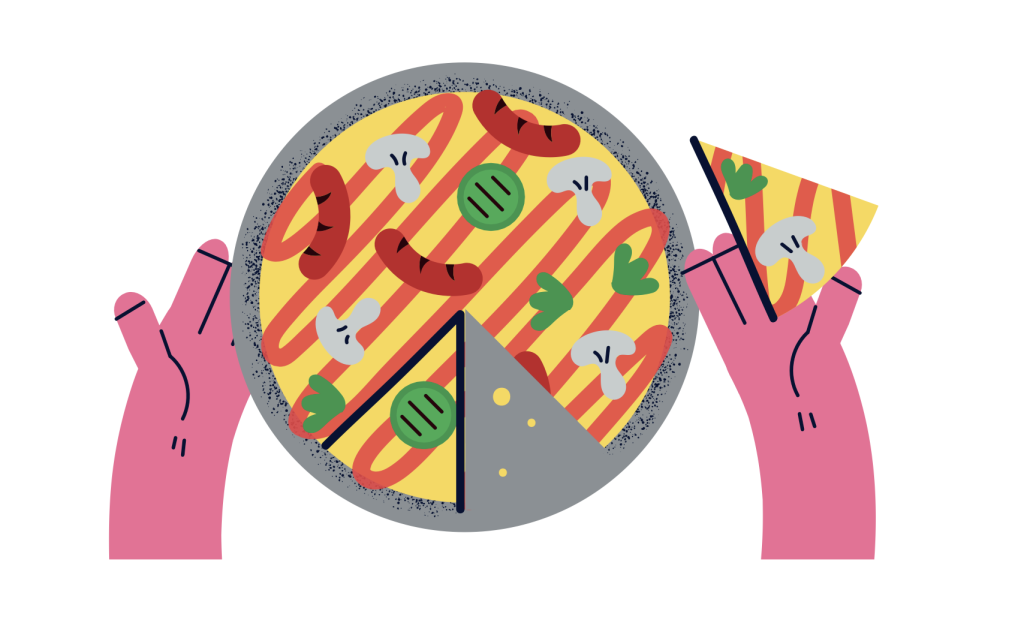
When people can’t afford much, they buy the cheaper, more readily available options, and those often turn out to be the worst kinds of food for you.
Fresh food is different. It requires proper food supply logistics, like fridge to fridge, storage to storage without disrupting the cold chain, and that drives costs up. Shelf life is only two or three days and there is a cost to storage. If it doesn’t sell, you have to throw it away. So why would businesses prioritise that?
Cooking oils, sauces, all these things don’t change much over time. With a packet of instant noodles, all you need is water. The most luxurious addition might be an egg you crack into it.
URBANISATION AND FOOD SYSTEMS
So it’s not really the cost of the food itself, but the cost of making it available — storage, transport, and labour. In the end, is this a result of urbanisation?
Partly. If countries have farms near cities, on the periphery, and they supply the urban population at affordable prices, there isn’t really a problem. Before we became so urbanised, people had to live near farms to eat fresh food. If you wanted vegetables or pork and there were no farms or pigs nearby, you simply couldn’t get them. There were no freezers, no refrigerated trucks to bring food long distances. Today, we have fast rail and good roads. In theory, it should be even easier to access fresh food. We can fly cherries from Chile or South Africa at any time of the year. But there is a carbon footprint to all of this, and there are deeper structural issues.
From a farmer’s perspective, the same piece of land can earn more money growing tobacco than growing fresh vegetables. Tobacco leaves can be dried, they don’t rot, and they can be turned into cigarettes. But if there is a famine, you cannot eat tobacco. A farmer who grows carrots, pumpkin, or potatoes can survive and will not die of starvation. That is the difference between cash crops and edible crops, and it comes down to sustainability.
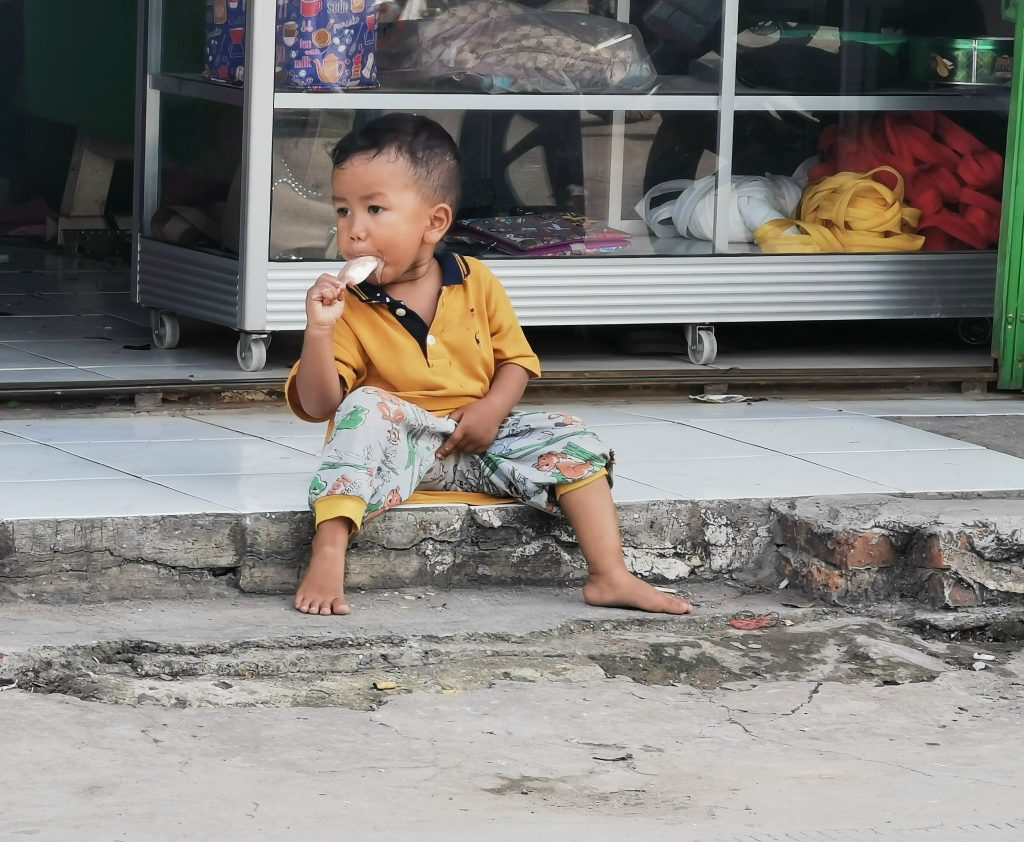
Sweetness starts early
UNICEF found that more than half of children aged 6–23 months in
many low- and middle-income countries consume sugary snacks or
drinks on any given day. These foods are often introduced before age
one, during a critical window for brain and physical development.
Photo: Didi Supriadi / Shutterstock
The same argument applies to land being used for condominiums instead of farming, right?
Yes, to satisfy urban population density and housing needs. From a land use for agricultural purposes, you may have heard of slash-and-burn practices. Large parts of Borneo were once natural forests. They were cleared, crops were introduced, and eventually oil palm trees became the dominant crop on vast plantations. Oil palm is a cash crop grown for money, not for direct consumption.
In parts of Malaysia and elsewhere, this has led to soil erosion. Palm trees have shallow root systems, so when there is heavy rain, the soil washes away. The same thing happens in the Amazon, leading to earth not firmly held in place and hence landslides.

Feeding markets, not communities
Across the Amazon, deforestation continues
to make way for soybean production driven
by global demand, with around 80% used for
animal feed, often at the expense of local food
diversity and sustainability.
Photo: Paralaxis / iStock
POLICY AND GOVERNANCE
From a governance perspective, we have the Ministry of Health and other authorities regulating what enters the market. Can they ensure that people are eating well?
That happens at a very macro level, but it doesn’t always translate into everyday realities. If I want 300 grams of fresh fish, what does that cost? Maybe around ten dollars for a fillet. Beef might cost slightly less. If I buy celery or chye sim (Chinese flowering greens) and I live far from a farmer’s market, that also comes at a certain cost.
But compare that to eating a slice of white processed bread with some Spam and drinking a bottle of Coke. For an inexpensive and modest meal, I’m full and happy because it’s tasty. It’s full of unhealthy fats, processed carbohydrates from bread that isn’t whole grain, and sugar from the Coke. That still counts as a meal.
Now compare that to a meal with a lean cut of meat or fish, some broccoli, carrots, peas, maybe a piece of cheese for dairy, or finishing with yoghurt. The first meal example might cost two or three dollars. The second could easily cost fifteen dollars. Yes, it’s healthier, but if you’re not used to it, why would you eat all these seemingly strange foods?
Taking Singapore as an example, policies like reducing sugar in drinks seem driven by rising healthcare costs, particularly diabetes. Without immediate incentives, is it much harder for governments to intervene in what we eat and drink from a long-term health perspective?
They can’t, in practical terms. Singapore has a large bottling industry. We don’t produce Coke itself, but companies like F&N prepare the syrups and sugars that go into Sprite, Coke, and Pepsi. Malaysia does the same. We supply the basic ingredients that allow these drinks to be produced. Very often, the sugar used is in the form of high-fructose corn syrup. It’s much cheaper and about 1.7 times sweeter than normal table sugar (sucrose). It’s also very stable because the molecule is altered, so it doesn’t change or denature, or affect taste over time.
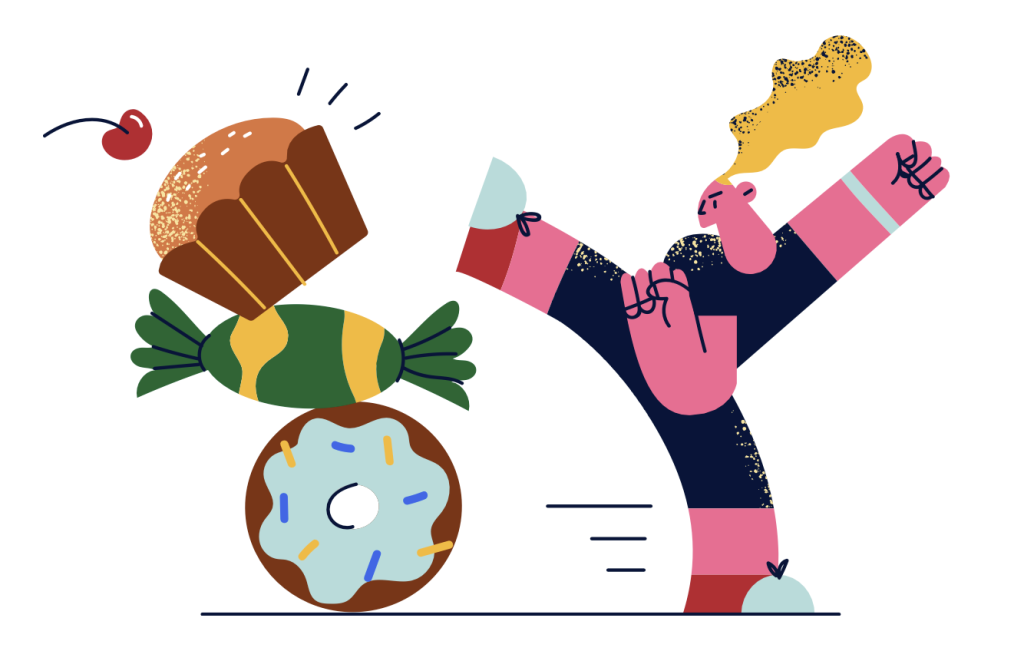
The food industry is designed to make us keep buying the same products... That sweet spot of sugar, salt, and oil keeps us coming back.
The food industry is designed to make us keep buying the same products — a taste that triggers reward centres in the brain and makes us feel happy. That sweet spot of sugar, salt, and oil keeps us coming back. Homecooked food is usually more bland. Restaurant food tends to have more oil, more flavour, and sometimes more deep-frying. I’m not saying they add MSG, but it’s richer or more complex in taste. In general, home-cooked food, although ‘less exciting’, is better for us.
Countries want to make sure their populations don’t go hungry. That’s the priority. There’s a big difference, and this is something people aren’t taught properly. We hear messages like less sugar, less sodium, healthier options. What they should also explain is that when you eat well and train your taste buds, you start to feel uncomfortable when something is too sweet. You don’t even need to buy “less sugar” products — your body will tell you, this is too sweet.
What they don’t emphasise is fibre. Even if you don’t get diabetes, a diet high in processed bread and low in fibre increases the risk of colon cancer. Among Chinese Singaporean men, colon cancer has one of the highest incidence rates. We’re told not to eat too much fat, but not all fats are bad — olive oil is a good fat. Exercise protects the heart and raises good cholesterol. Instead, people only receive part of the message.
Why is that?
If I say this, I might get into trouble. Bodies or agencies that are in charge of health promotion, which oversee many of these policies, tend to communicate partially. This may be in the form of a campaign which does not offer a fuller picture. They are slowly trying to change, but if I truly wanted a healthy nation, I would start by putting kitchens in schools. I would bring in vegetables and teach children how to recognise brinjals (eggplant), carrots, lady’s fingers (okra), spinach, and how to cook them, incorporating them into delicious meals.
We only really learn to cook when we go to university or leave home, having to fend for ourselves. Even then, we choose cheaper options (as we may be on a tight budget) just so we’re not hungry and can focus on studying and partaking in new experiences. We’re not throwing dinner parties with curated recipes or more elaborate meals, that’s for sure.
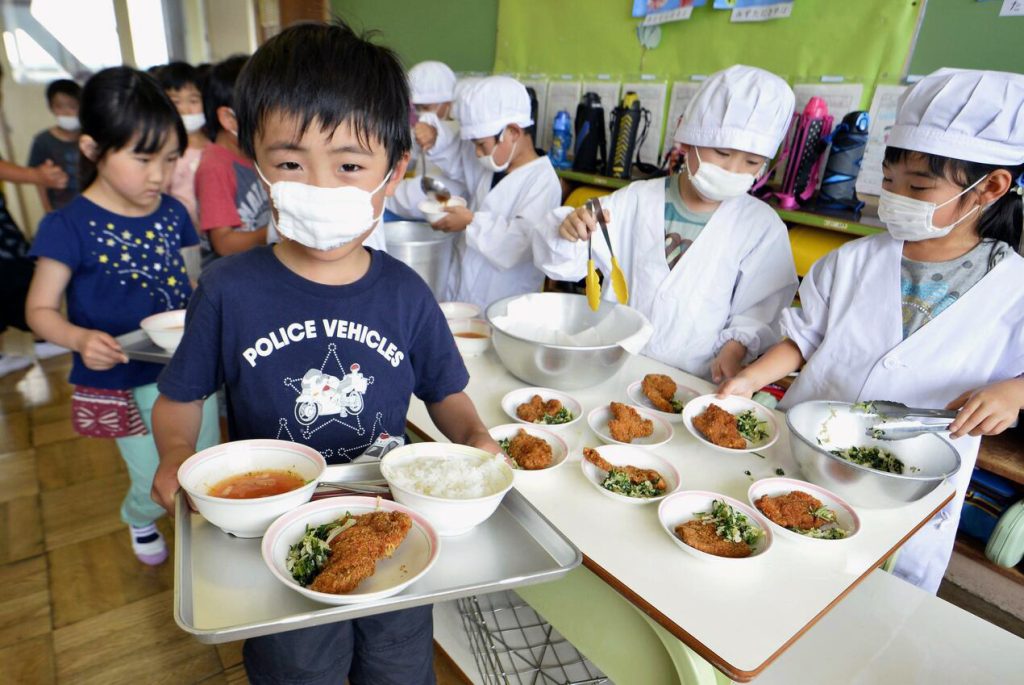
The school kitchen
In Japan’s school lunch system, or kyūshoku, meals are often
prepared fresh onsite and treated as part of education. Students
help serve food and clean up afterward, reinforcing healthy eating
habits and communal responsibility from a young age.
Source: Kyodo News
Coming back to food access, if I’m at a hawker centre and I ask for extra kang kong or chye sim, they’ll often say that’s not possible. Every bowl has a fixed portion of its constituent ingredients, normally. If the stallholder didn’t plan to order extra vegetables, he or she may only have enough ingredients for say about 200 bowls. If they start customising portions, the last few customers won’t get the same amount, and complaints may arise. So structurally, it’s easier to keep portions fixed, even though intuitively, people should eat more vegetables and fruit. Some have adapted and have larger stocks of vegetables and can charge for a request of more greens. For leafy vegetables, being highly perishable, that is a risk, as unsold vegetables will often go to waste — that is a loss for the vendor.
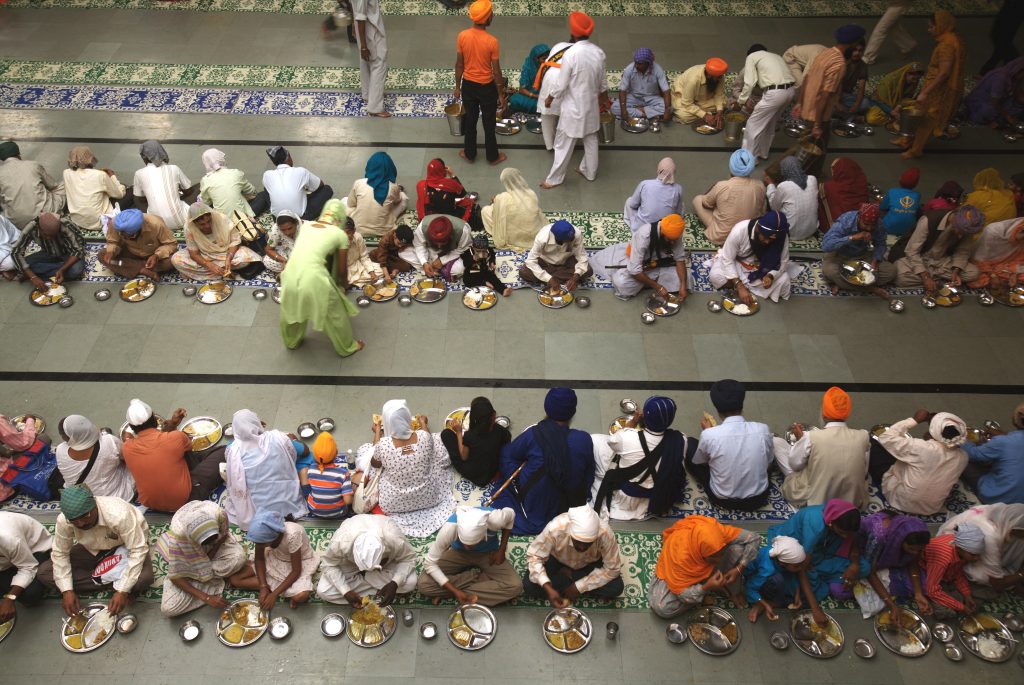
A meal without barriers
At Sikh gurdwaras, langar is a free community meal open to all, regardless of background or income. Rooted in principles of equality and
service, it brings people together over simple vegetarian food, with some gurdwaras serving tens of thousands of meals daily, sustained
entirely by volunteers.
Photo: Dinodia Photos / Alamy
In the end, for people to eat better, consumers still need to be educated. They have to ask for better options or be willing to pay a bit more, and then suppliers and producers will respond. In supermarkets, healthier options are usually in a separate section and they’re always more expensive.
Mexico introduced a sugar tax. There are two policy approaches to this — you can tax unhealthy, readily available foods and subsidise fresh vegetables or lean meats. But governments often avoid this because it disrupts the natural market mechanisms. Fishermen work hard to catch fish and are paid a certain amount. If the government later intervenes to lower the price at the supermarket, it creates tension in the system and other unintended problems.
What we actually need, even if it sounds old-fashioned, is community-based solutions. Have you been to a Sikh temple, a Gurdwara? I didn’t know about this before. Every morning, people gather there. I wake up, drink my coffee, read the papers, then go to the Gurdwara. I chop vegetables and help cook. By around six, anyone can come and eat. There’s a free flow of vegetable and lentil dishes, chapati, and rice. The food is fresh, cooked that morning with good ingredients, and it’s very healthy. There are basins for washing the dishes or food recipients properly once one has finished eating. People clean up after themselves. The entire experience is communal and people-centred. Some volunteers cook, others shop. It provides one nutritious meal a day for the community, and guest diners don’t have to pay. Foreign workers come, families come. There’s a wide variety of vegetables, from lady’s potatoes to long beans, peas, and carrots. As one volunteer put it, “If I wake up every day, I’m not poor if I have food and a roof over my head. I give thanks and spend one hour chopping vegetables and cooking.” Families sit on mats on the floor, cross-legged, talking. When they’re done, they leave and the next group comes in. It’s a communal effort, and I find it very meaningful — healthy for the body and healthy for the soul.
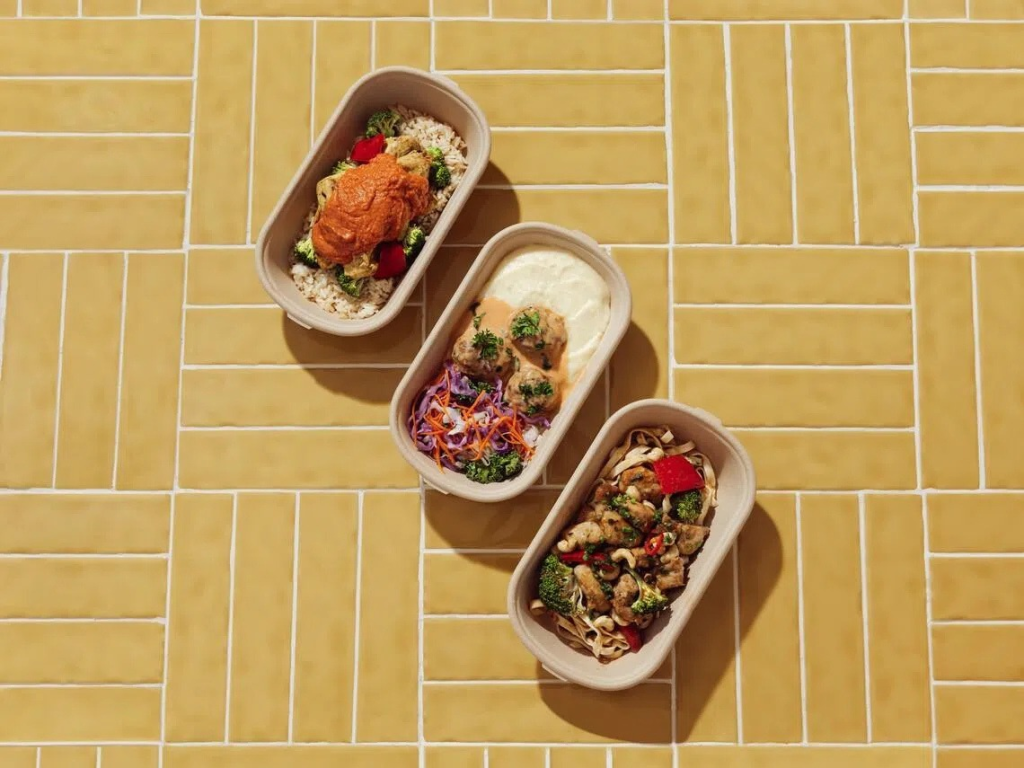
Healthy meals delivered
Meal-prep and nutrition-focused delivery services are
growing rapidly in Singapore as increasingly health-conscious
consumers seek convenient ways to manage macro tracking,
portion control, fitness goals, and balanced nutrition without
cooking daily.
Source: Nutrition Kitchen
INDIVIDUAL EFFORTS AND COMMUNITY
How can we eat healthily if systemic or structural change takes a long time? For a middle-class family in Singapore, what practices can help them eat well and avoid long-term health problems linked to processed or unhealthy food, within a system they cannot easily change?
It starts very early. During pregnancy, mothers and fathers should both be educated about nutrition. We shouldn’t make parents feel guilty by saying they must buy only one expensive brand of milk or else their child won’t develop properly. Those advertisements are not helpful. You see rural communities without all these products, and their children still grow up well if the mother’s breastmilk provides enough nutrients complemented by nutritious semi-solid and solid food later.
Breastfeeding where possible is important, unless the child or the mother has an illness or is unable to breastfeed. Then this education should continue in schools. Nutrition should be treated as seriously as mathematics or language. You eat three times a day for your whole life. If you feed your body wrongly every day, the long-term impact is huge, possibly bigger than inhaling haze particles for one month a year, because this is something that happens daily. [laughs] Do not quote me as an encourager of environmental haze!
But as you mentioned earlier, eating well costs more. Is there a reasonably affordable way to eat healthy, especially if you don’t have much time to cook and rely on hawker centres or restaurants?
It sounds a bit silly, but you do have to spend time. Take pai kuat (pork rib bones) or fish bones after the flesh has been removed. Boil them into a rich stock, then add winter melon, lotus root, or peanuts, and you have a nutritious soup that doesn’t cost much. If you prefer something Western, you can make tomato, carrot, or pumpkin soup. Soup is very good because it packs vegetables into an easy-toeat form. You can drink it on its own or have it with wholemeal bread or a slither of cheese. It’s filling, and most soups are vegetable-based anyway.
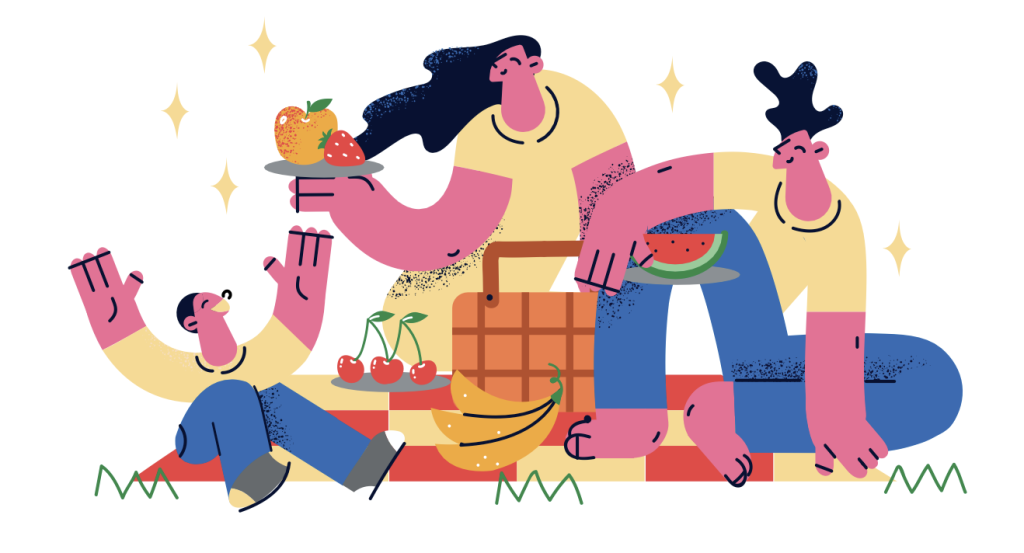
Consuming food is not just about feeling sated. It carries significant cultural and social meaning, and that’s really important.
What I used to do was cook in batches on weekends. I’d go to Tekka Market early on Saturday morning, buy my ingredients, and then cook. One pot would be soup, another would be pasta sauce like Bolognese with tomatoes, carrots, and lean beef. Then I’d freeze everything in portions. On a weekday, you just take one portion out in the morning, let it thaw, and dinner is ready. It takes some education to know how to prepare and freeze food, but students can do this too. I used to teach university students how to feed themselves well on a budget.
Beyond food, people need to schedule exercise or meditation two or three times a week and make sure they get enough sleep. Stress management is another pillar of health. You can eat well and not smoke, but if your stress levels are very high over a long period of time, you may still be at risk for cardiovascular incidents — heart attacks, strokes, or high blood pressure. Stress is one factor, but combined with other unhealthy behaviours, compounds the ill effects on health.
Social connection is an often-forgotten pillar for good overall health. Food and eating are very social. Even during this interview, we’re talking whilst eating. Birthdays involve meals, cake, and candles. Festivals are centred around food. A baby’s 100th day comes with the traditional red-dye eggs. Consuming food is not just about feeling sated. It carries significant cultural and social meaning, and that’s really important.
Does this mean it’s healthier to eat with other people than to eat alone? That seems more like a mental or emotional aspect rather than something that directly affects nutrition.
Eating alone can be depressing sometimes. It can affect nutrition because if you are socially isolated or depressed, you may not feel like eating or may lose your appetite altogether. Older persons who are isolated often don’t eat very well. But when you bring them together to eat, play mahjong or bingo, or go for a walk, they are very happy because they have friends to do these things with. I can tell you, when I’m living alone, most of the time I’ll be checking my emails, trying to clear things, and then quickly swallowing something, not paying attention or eating ‘mindfully’.
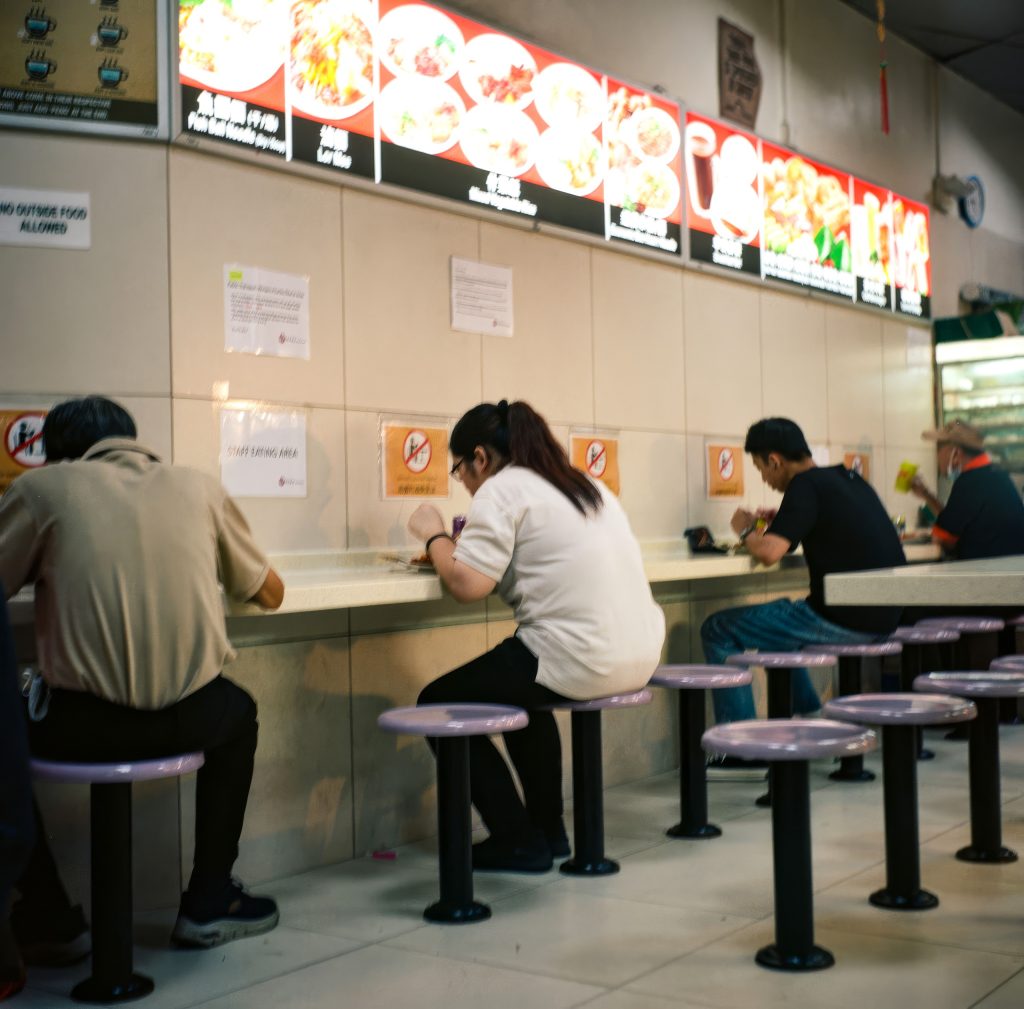
Eating alone together
Solo dining is becoming an increasingly visible
part of urban food culture, with eateries adapting
through counter seating and solo-friendly layouts
as more people eat alone amid changing work
patterns and increasingly individualised lifestyles.
Source: Rice Media, photo by Stephanie Lee
I noticed something similar when I ate at a hawker centre last night. Many people were eating alone, scrolling on their phones. After a long day of work, they have little time to cook, so eating out is convenient and inexpensive. Yet many seem quite lonely.
This is also a phenomenon linked to the dissolution of the family unit. When you come home to your grandma, grandpa or your parents, you already smell mouthwatering aromas when you walk through the front door. Soup has a smell, fried rice has a smell. You put your bag down, take a shower, sit down to eat, and everyone has a place at the dining table. It’s a very social and very important bonding time for families. But when everyone starts eating alone, and you don’t pay attention to eating together and sharing, you also stop paying attention to what’s in your bowl or on your plate. Eating becomes secondary. You eat perfunctorily. You check your phone, eat quickly, and go home. You don’t even have to wash up if food comes in styrofoam or disposable containers. If there is a roster among siblings from young — who helps when in food preparation, in washing up, in taking out the trash — a normal culture of food and food appreciation together within the household will form and be perpetuated.
Deliberate rostering of duties engage family members to own activities around feeding themselves. If I say, “I don’t have time to get groceries after work, and I do not have all the ingredients to make this particular dish,” I ask who can pick up specific ingredients from a store or market (that I will pay for). They have to participate, so they own the meal preparation process with me.
These days, eating out in restaurants can be expensive. When my children come to Singapore for a visit, I take them out and they want to try everything. But after one chilli crab meal, they already feel jelak (Malay term for overkill or sick of eating) because the sauces and gravy are very rich. They go back to simpler or ‘clean’ foods and they’re quite content. How we educate the palate determines what we look for, or crave, when we eat.
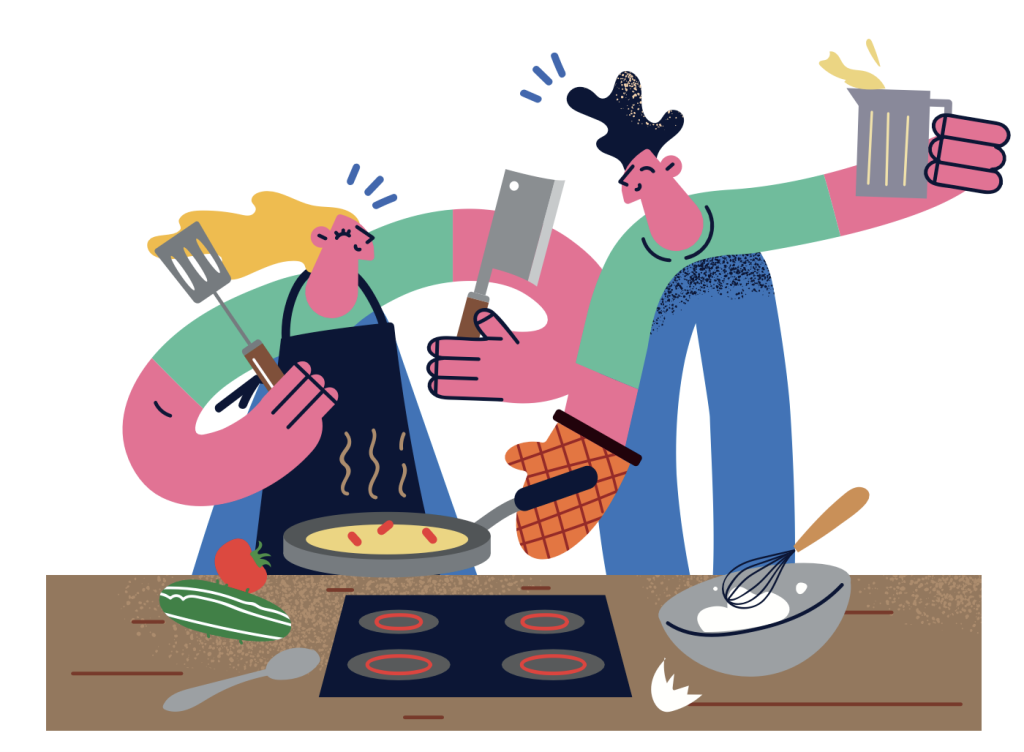
It’s about being creative with similar ingredients in different styles. One can be a cold meal like a sandwich, the other a hot meal.
You’re very familiar with both Western and Asian food cultures. You’ve sometimes described Western food as simpler, with more raw ingredients and less emphasis on chopping, frying or spices. Do you see different strengths or drawbacks in these approaches to food?
Preparing meals can take a lot of time, and people get tired of it. In Western food, salads are common. Olives are not cooked; they’re already pickled or preserved. Cheese is taken straight off the shelf. There’s no need to cook. Tasty, nutritious, simple. But one must be introduced to eating salads or raw food at a fairly early age to appreciate it.
People get sick of eating the same thing, so you need to vary food options. I can open a can of tuna, which is much better than corned beef or spam. I can chop some tomatoes and baby onions and make a tuna sandwich. Or I can use the same can of tuna to make fried rice with tuna flakes instead of leftover pork or char siew. It’s about being creative with similar ingredients in different styles. One can be a cold meal like a sandwich, the other a hot meal. With tuna, rice, a few peas and an egg, you have fried rice. Eat it with chilli sauce and you’re done. You have protein and vegetables. Rice does not contain gluten and is extremely gut-friendly. You can also cook extra and freeze it — fried rice freezes very well. Back to the topic of convenience and time-saving attributes of batch cooking!
Thinking about it, we have far more food variety today than when we were younger. I remember growing up without McDonald’s or Burger King. Is variety a good thing, or is it better to stick to one kind of diet?
If it’s available and affordable, variety is good. But if I lived in a small village in rural surroundings, and had never seen these more ‘urban’ foods, I wouldn’t know what I was missing. If I suddenly went to study in a country that has very different food than what I am used to, I would definitely miss my home food because I find the food there bland or unfamiliar, and I would feel homesick. Food offers a lot of comfort too.
But after a while, you have more options. When you start cooking healthily, you can choose from different ingredients and ways of preparing food. That seems like a positive side of urbanisation and globalisation.
But it starts very young. Have you seen children who only eat one or two things and refuse everything else? Do you blame the child, or do you hypothesise that the people feeding the child didn’t make the effort to vary the food and develop the palate? Education is important. An interesting example is the Seventh-day Adventists community in Loma Linda California — yes, one of the Blue Zone communities! They are brought up with certain ‘habits’ that seem to help them live to a hundred: they don’t drink alcohol or smoke, they consume less meat and have a mainly plant-based diet, they have strong family and community ties, they walk and move regularly, they drink lots of water, they have spiritual they’re healthier. From young, whether through religion or community beliefs, those practices can pretty much determine one’s health trajectory (barring the influence from one’s genes).
If parents can’t afford fresh leafy vegetables and rely on canned or frozen versions because they’re cheaper, it’s not bad parenting. They didn’t mean to deprive the child. It’s about what they can afford after paying for everything else, including electricity bills, buying school books and uniforms. If you have to take a loan just to buy food or rely on food stamps, that’s very sad and something would need to be done to change that.
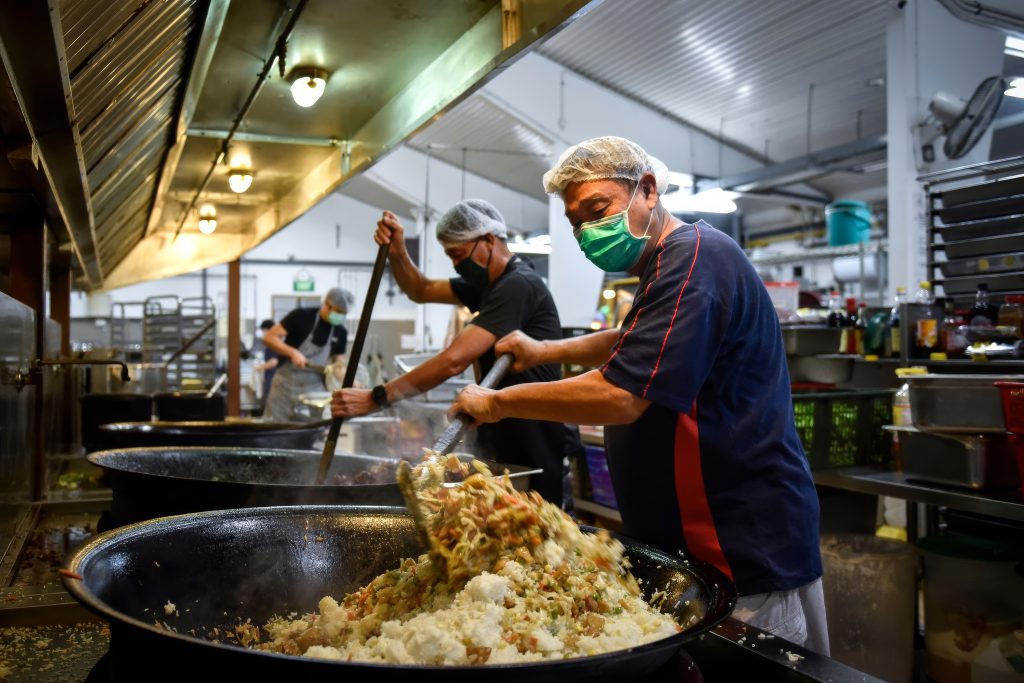
Beyond cheap calories
Volunteer-run community kitchens such as Willing Hearts prepare
and distribute thousands of freshly cooked meals daily, reflecting
growing civic efforts to ensure that lower-income communities are
not limited to cheap, highly processed food options.
Source: National Volunteer & Philanthropy Centre Facebook,
photo by Caroline Chia
Philosophically, I feel that eating and food have become more complex than they should be. Food is supposed to nourish us and then let us get on with alife. But nowadays, every meal feels complicated. I walk into a restaurant and there are so many choices and decisions to make. Has food become too big a part of daily life?
In a nutshell, yes, eating and food need not be complicated. Choices available in F&B outlets are partly driven by consumer requests, by fads, by commercial pushes. Ready-to-consume options can sometimes seem complex. I like to quote Michael Pollan, a writer on food, agriculture, human nutrition and our natural environment: “Eat food. Not too much. Mostly plants.” Simple and very sound advice. The choices you make matter because, as people always say, you are what you eat. Genetics plays a big role, but the rest depends on whether you exercise too and how you live. ∞
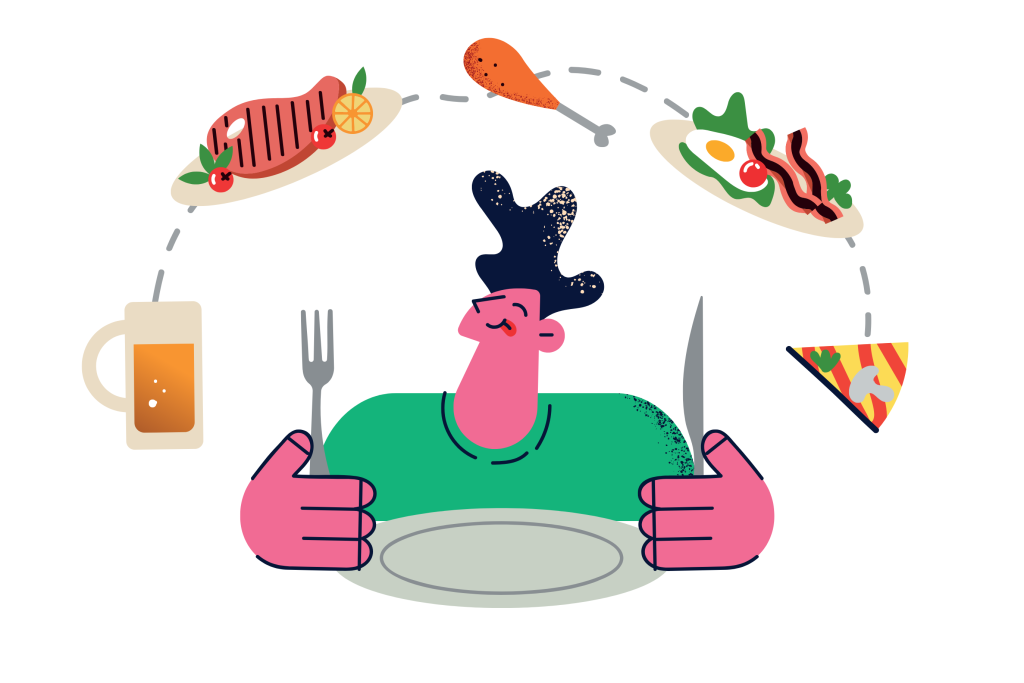
The choices you make matter because, as people always say, you are what you eat
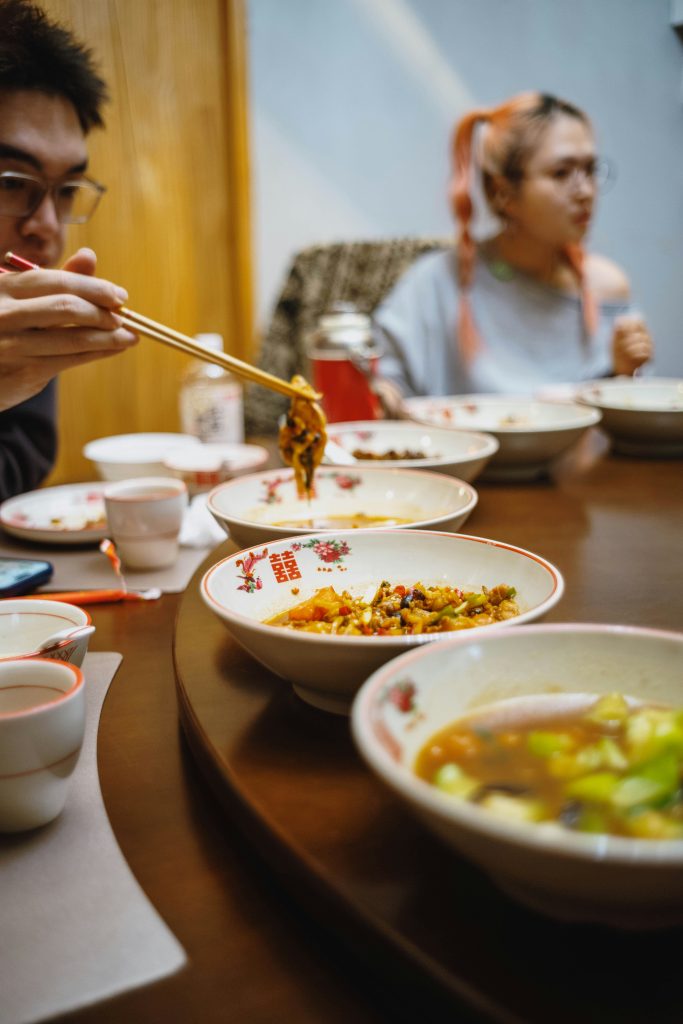
The choices we learn
Eating habits are established early in life and
often continue into adulthood. Family routines,
cultural exposure, education, and repeated
food experiences play an important role in
shaping the food choices people make later
in life.
Photo: Tommao Wang / Unsplash

DR MALEENA SUPPIAH CAVERT
Dr Maleena Suppiah Cavert is an advocate for health and education, focusing on Lifestyle Medicine with emphasis on a preventative approach to health. She is an adjunct assistant professor at the
NUS School of Medicine. Until earlier this year, she was Chief of Learning & Culture at the Tsao Foundation. She previously served as Chief Wellbeing Officer at the National University Health System, supporting the health and wellbeing of 16,000 employees.
A certified Mindfulness-Based Stress Reduction (MBSR) facilitator, she has worked closely with healthcare professionals and students to build resilience and address burnout. Her career spans over
38 years across six countries, with experience in healthcare, education, longevity and ageing, food security and food science.
She holds a Doctorate in Education, an MBA, and a BSc in Food Science, and is a sought-after speaker on healthy ageing, nutrition and physical activity, resilience, empathy, and behaviour change.

2026 | ISSUE 15
THE FIGHT FOR (GOOD) FOOD