
With the world’s population projected to reach 9 billion in 2050, food security is becoming an increasingly important global issue. The increase in population, changes in consumer taste, climate change, resource scarcity, and the COVID-19 pandemic make meeting the potential 60% increase in demand for food even more challenging.
To achieve sustainable food production, novel food systems beyond traditional farming are needed to address the following key challenges:
Increase the variety of crops for primary production and explore alternative food sources.
Reduce food loss and food waste, which can go up to 40% at the post-harvest level.
Understand the minimal nutritional requirement.
Establish a closer relationship with consumers to achieve greater awareness of new foods.
Incorporate urban farming and technological advancements to enhance and modernise current food systems.
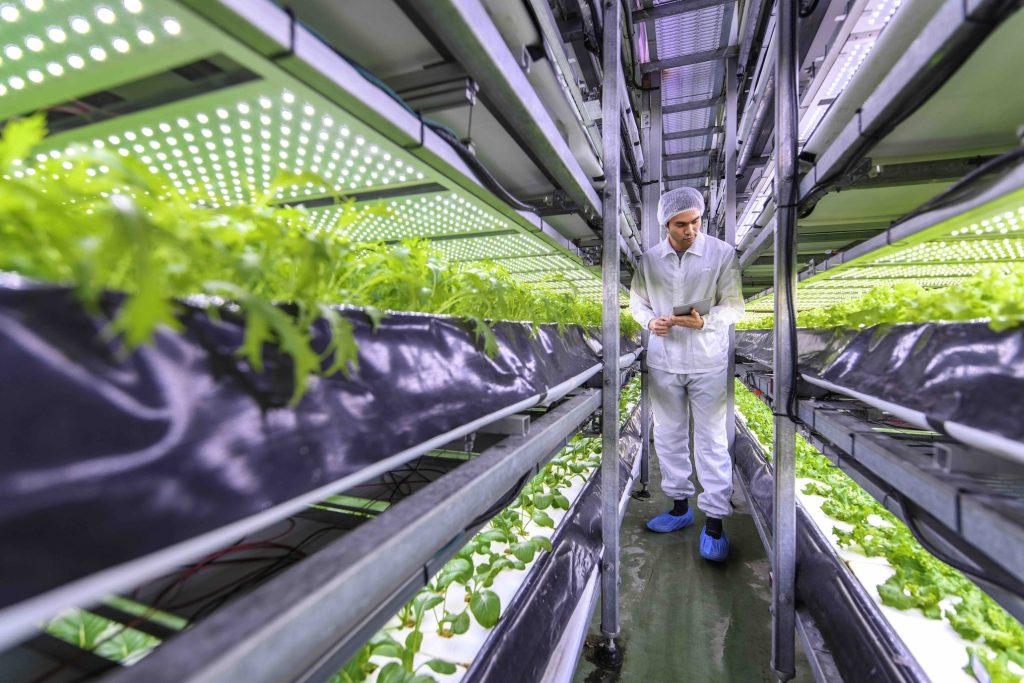
Growing food in a vertical city
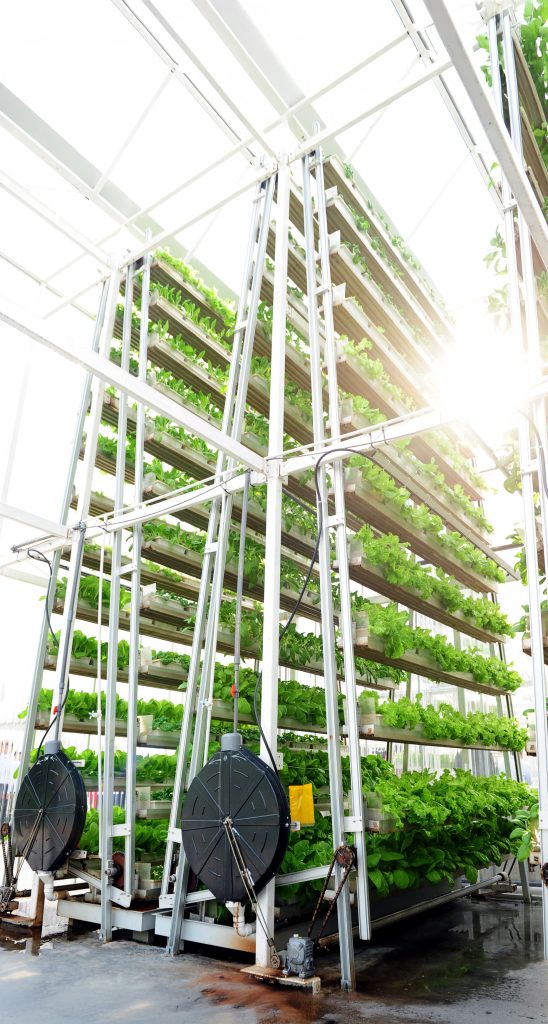
Singapore is increasingly investing in technology-driven urban farming as part of broader efforts to strengthen food resilience, diversify food sources, and reduce vulnerability to global supply-chain disruptions under its Singapore Food Story 2 strategy.
Photo: AzmanL / iStock
URBAN FARMING AND AN EFFICIENT FOOD SYSTEM
With the increasing urbanisation in the world, urban farming would provide a sustainable solution to complement traditional farming. Urban farming contributes to resilience against climate change and environmental hazards, while providing fresher food with higher nutritional value and reduced food losses. Due to limited space, lower yields, crop suitability, and high infrastructure costs, urban farming can complement but not replace traditional farming.
Singapore’s food security is interconnected with the global food supply, with 90% of food being imported from over 180 countries. Technology-driven urban farming would ease the burden on food imports and establish a more efficient food system, which can be propagated globally. The resilient food system is outlined in the recently announced ‘Singapore Food Story 2,’ which covers diversifying import sources, boosting local production, stockpiling, and global partnerships. Our strong research and development capabilities would also contribute to ‘Singapore Food Story 2,’ under our government’s vision, with defined targets for two commodity groups: fibres and proteins by 2035.
Urban farming offers localised food production that can enhance food security, reduce supply chain dependence, and promote community engagement. By utilising rooftops, vertical gardens, and small-scale plots, urban farming provides fresh produce with lower transportation costs and environmental impact. It can diversify food sources, support sustainable diets, and foster awareness of healthy eating. Integrating urban farming with conventional agriculture creates a resilient and adaptive food system, bridging gaps between production, accessibility, and consumer connection to food origins.
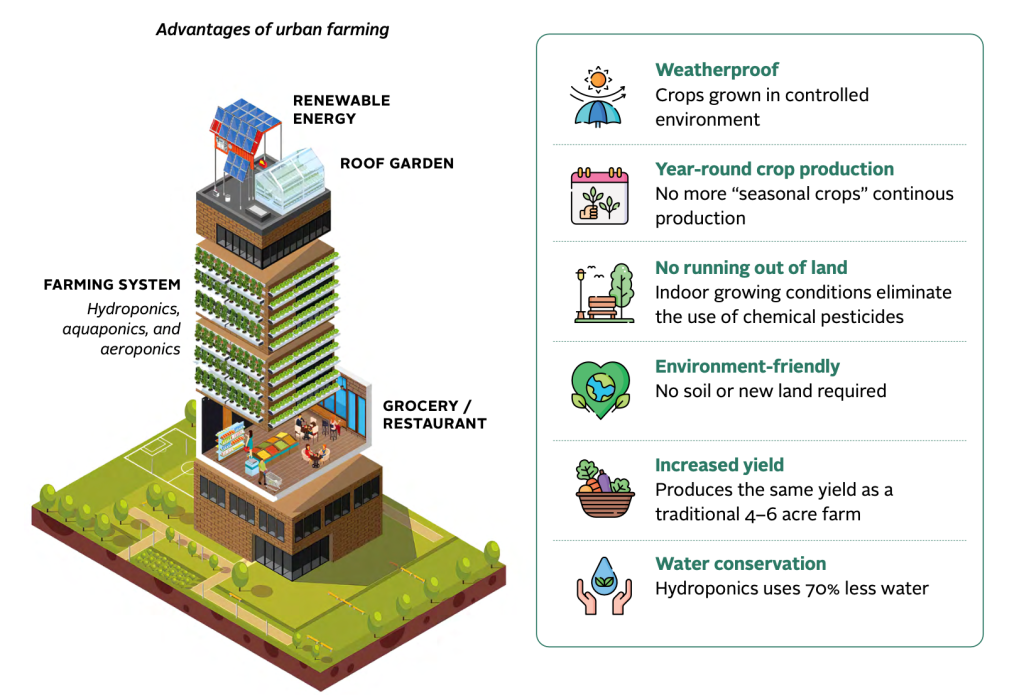
Advantages of urban farming
Source: https://theaseanpost.com/article/farming-city
Urban farming can complement and go far beyond traditional farming by striking the right partnership between nature and technology.
THE DIFFERENT TYPES OF FUTURE FOOD
Microalgae provide sustainable large-scale production with the potential of growing on nonarable land using undrinkable water or seawater and high biomass yields per area. Their microscopic feature enables simpler genetic manipulation, higher protein content, and easier scale-up. However, challenges remain in large-scale production, particularly the yield optimisation and improvement of organoleptic characteristics to enhance consumer acceptance. In urban settings, circular economy models can be implemented for sustainable microalgae production. Researchers from Nanyang Technological University’s Food Science and Technology Program (NTU FST), in collaboration with industry partners, have successfully replaced the commercial microalgae culture medium with fermented food processing side-streams.
1. Microalgae

2. Plant-based meat (PBM)

PBM has gained attention due to environmental, health, and ethical considerations, though improving sensory traits and consumer acceptance remain key challenges. PBM products can be made from pulses, cereals, tubers, fruits, and food industry by-products, which offer a rich profile of fibre, protein, and micronutrients, desirable physical and mechanical properties, phytochemicals (eg, antioxidants), and low cholesterol content. For example, proteins from soy, cottonseed, and wheat gluten are used to develop meat alternatives. Texturisation is achieved through extrusion, spinning, or shear-cell technology, while thermal treatment, drying, or coagulation solidifies the structure. The PBM industry currently focuses on products such as burger patties, minced meat, steaks, and sausages, with companies like Beyond Meat and Impossible Foods successfully providing PBM products.
3. Insect-based meat (IBM)
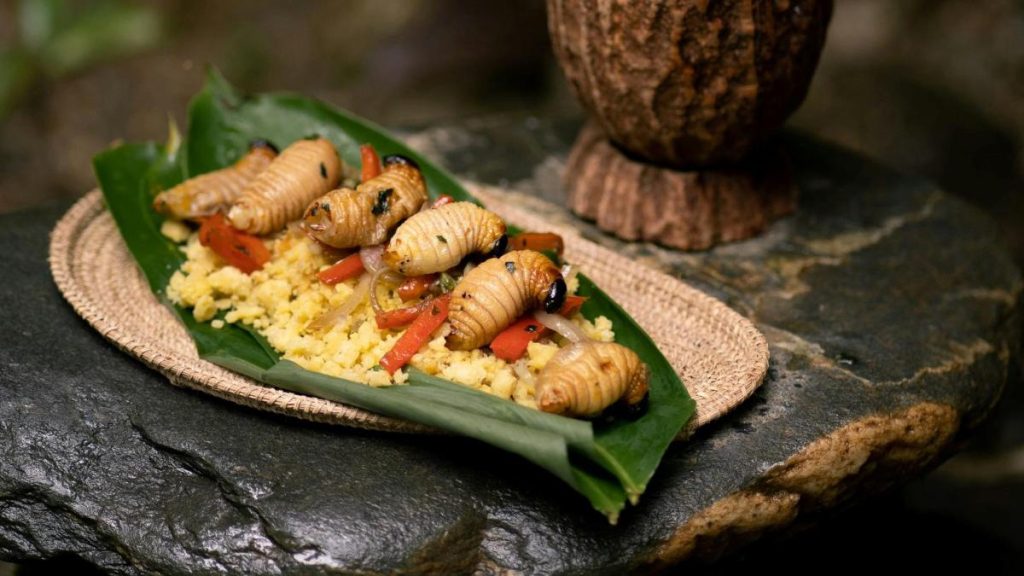
Edible insects are a promising future food due to their high protein and micronutrient content, low fat and energy, improved digestibility, low land and water use, and reduced greenhouse gas emissions, though challenges remain in investment and consumer acceptance. One hundred grams of edible insects supplies ~750 kcal, comparable to traditional meat or PBM. Over 2,100 species are recognised globally, with about 30% of people in over 113 countries consuming IBM, mainly as snacks, side dishes, or integrated with staple foods.
Insects are popular street food in Southern Africa and Southeast Asia, and in the West, mealworms and crickets are increasingly used in snacks, protein bars, burgers, and pasta. There is a growing number of companies developing IBM, like Ÿnsect, Protix, Aspire Food Group, InnovaFeed, and Entomo Farms. As edible insects are considered novel foods in many regions, they require extensive safety assessments and regulatory frameworks, and large-scale production demand advancements in breeding techniques, processing methods, and automation.
4. Mycelium-based meat

Mycelium-based foods are commonly classified into mushrooms and mycoproteins. Mushrooms are valued for their high protein and fibre contents, low calorie density, and low levels of fat and sodium. When used as meat extenders, mushrooms contribute health-promoting compounds, reduce meat content, and enhance flavour intensity and saltiness perception through umami compounds. Global mushroom and truffle production increased by 403.44% between 2000 and 2021. In 2021, China dominated production (93.03%), followed by the EU (3.40%), Japan (1.06%), and the USA (0.78%). Mycoprotein (eg, Quorn™) is widely consumed across 17 countries and is characterised by low fat and energy content, alongside high fibre and highquality protein with a fibrous texture. Commercial Quorn products include chunks, sausages, and burgers. Research on its metabolic, anabolic, and broader health effects is growing. Mycoprotein is rich in essential amino acids, accounting for approximately 41% of total protein.
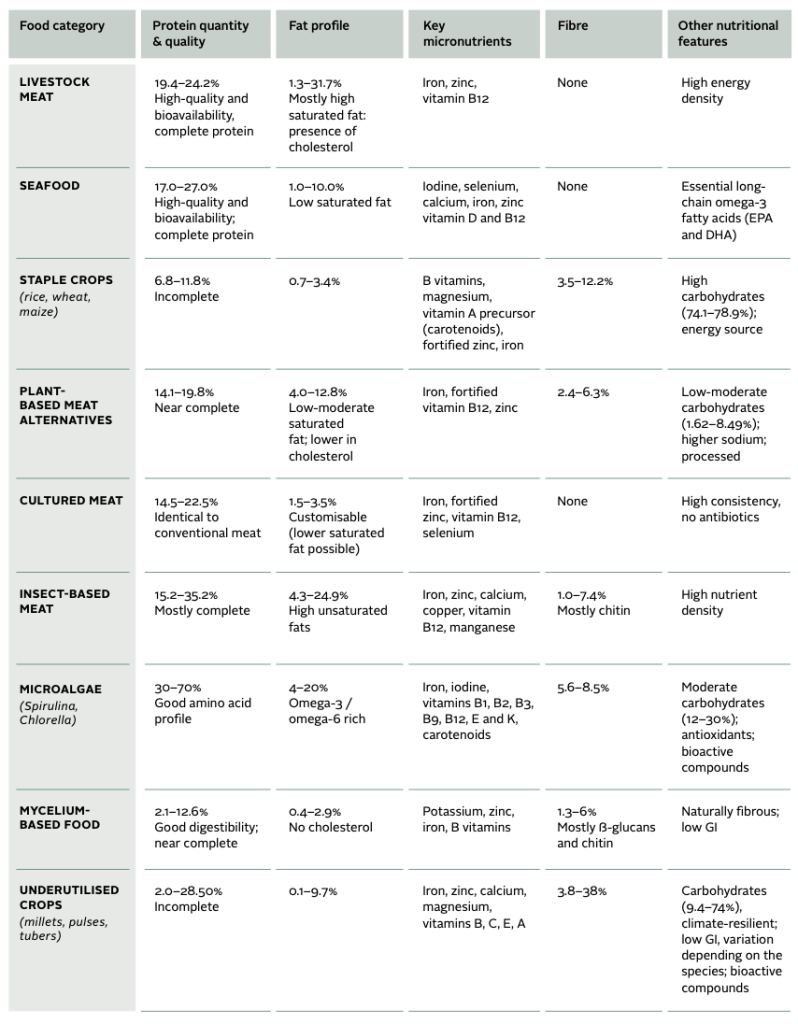
Nutritional comparison of novel foods vs conventional foods
5. Cultured meat (CM)
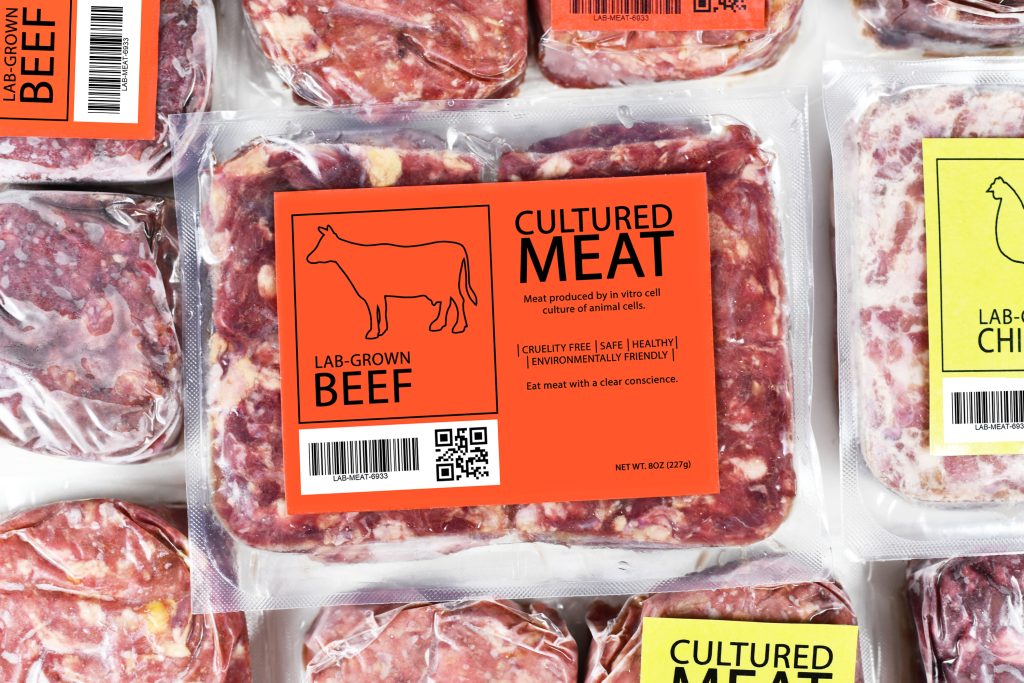
CM is bio-artificial muscle mass produced through in vitro cultivation of animal muscle stem cells (myosatellite cells) and is available as minced meat and hamburgers. Advances in cell culture techniques in cell density, doubling time, and bioreactor efficiency have indicated major cost reductions, with one optimised system lowering costs from USD 437,000 to USD 1.95/kg. The nutritional profile of cultured meat is comparable to that of conventional meat. CM can lower greenhouse gas emissions and land and water use by approximately 80–90% relative to livestock production, while being energy efficient and safe for individuals with soy, nut, and wheat allergies.
However, limitations include low consumer acceptance due to perceptions of unnaturalness, limited information on long-term health effects, and challenges in cell engineering. Surveys denote that acceptance could rise by 27–55% if costs match or fall below those of conventional meat. Eliminating foetal bovine serum and antibiotics from growth media is essential to create sustainable and acceptable CM. In this context, food technology innovations are critical; notably, researchers at NTU FST Program have replaced foetal bovine serum with fermented soybean residues, offering long- term cost savings for large-scale production.
6. Underutilised crops

Although over 30,000 edible plant species exist globally, fewer than 150 are commercially cultivated, and 20 species provide 90% of the global food supply. Three staples (rice, wheat, and maize) contribute about 50% of global food energy. Low crop diversification, high consumption of processed foods, and sedentary lifestyles have led to malnutrition in 2 billion people and obesity or non-communicable diseases in 1.9 billion.
One solution is biofortification of crops through plant breeding or genetic engineering. Neglected and underutilised species (NUS) can meet micronutrient needs and provide health benefits along with their climate resilience, adaptability, low input requirements, genetic diversity, and nutrient richness. Thus, NUS could support efforts to combat hunger, malnutrition, and poverty. Research on NUS is increasing, with Asia, followed by Africa, holding the greatest genetic diversity. NUS can be broadly categorised into five groups: pseudocereals and millets, grain legumes, roots and tubers, leafy vegetables, and fruits.
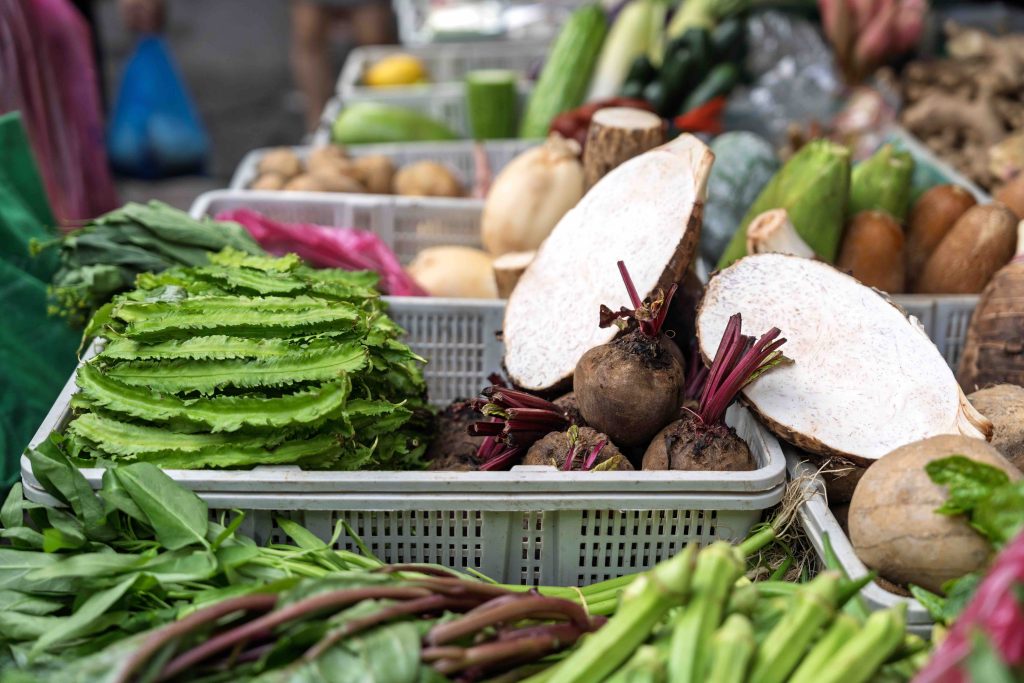
Rediscovering underutilised crops
Long consumed across Southeast Asia, crops such as winged beans, taro, and other neglected species are regaining attention for their nutritional richness, climate resilience, and potential to reduce global dependence on a narrow group of staple crops.
Photo: Thai Liang Lim / iStock
7. Seafood
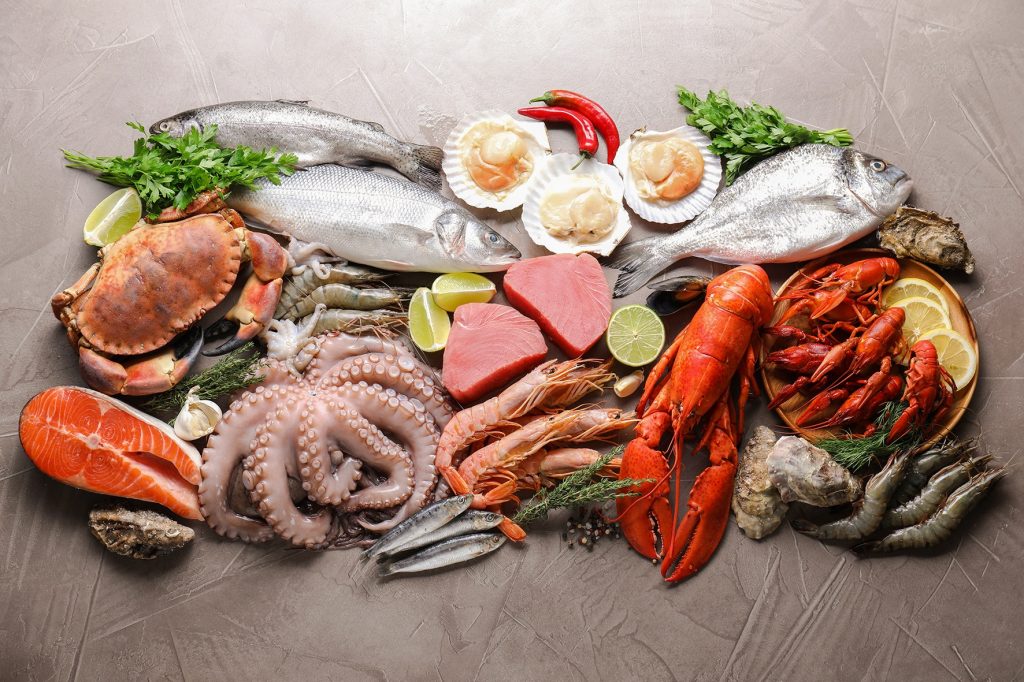
Fish are highly efficient at converting feed into biomass compared to terrestrial livestock, and the availability of ocean space makes seafood a promising protein source. Although production is expected to increase by 2050, seafood currently accounts for only about 17% of edible animal protein. With policy reforms and technological advancements, global seafood production could increase by 21–44 million tonnes by 2050, representing a 36–74% rise from current levels and contributing 12–25% of the projected increase in meat demand. As several countries, including China, have imposed limits on land and freshwater use, much of this growth is expected to come from mariculture.
Mariculture production still depends on feed inputs such as fishmeal and fish oil; however, due to ecological constraints, alternative feed ingredients are being actively developed. These include seafood processing residues, plant- and animal-based proteins, algae, microbial biomass, insects, and genetically modified crops.

The next frontier of food
Singapore’s approved novel foods now include cultivated chicken and quail, fungal mycoproteins, algae-derived foods, and precision-fermented ingredients, reflecting how future food technologies are expanding far beyond plant- based meat substitutes.
Source: UPSIDE Foods
Together, nature-based and technology-driven foods should be viewed not as competing solutions but as complementary components of a resilient, sustainable, and diversified food system.
NATURE-BASED ALTERNATIVE FOODS VS TECHNOLOGY DRIVEN NOVEL FOODS
Nature-based alternative foods and technology- driven novel foods represent two complementary pathways for diversifying future food systems. Nature-based alternatives, such as legumes, cereals, mushrooms, seaweeds, insects, traditional fermented foods, and underutilised crops, rely on naturally occurring biological resources and relatively low levels of processing, providing immediate advantages in sustainability, scalability, nutritional quality, cultural familiarity, and consumer acceptance.
In contrast, technology-driven novel foods, including cultivated meat, precision-fermentation-derived proteins, microalgae, and highly engineered plant- based products, leverage advanced technologies to replicate or enhance animal-derived foods, with the potential to significantly reduce long- term environmental impacts and address growing dietary requirements in the world. However, some challenges related to high energy use, production costs, scalability, regulatory complexity, and consumer trust exist in these technologies. Together, nature-based and technology-driven foods should be viewed not as competing solutions but as complementary components of a resilient, sustainable, and diversified food system.
HYBRID FOODS
Hybrid foods that combine plant and animal proteins can offer a pragmatic approach to protein diversification while balancing sustainability, nutrition, and consumer acceptance. Partially replacing animal proteins with plant-based ingredients (hybrid products) can cause lower environmental impacts (ie, greenhouse gas emissions and land use) while preserving the sensory attributes, functionality, and nutritional completeness. From a nutritional perspective, hybrid foods can deliver high-quality protein with improved fibre content and a more favourable fat profile. Importantly, they align well with consumer preferences, as they require minimal dietary change and can be perceived as more natural and affordable than fully animal-free or highly engineered alternatives. For example, the potential of mushrooms as meat extenders has been demonstrated through partial substitution with mushrooms in beef patties, nuggets, and sausages, highlighting several benefits, including the presence of nutraceutical compounds, enhanced overall flavour, reduced meat content, improved shelf life, and increased perception of saltiness.
The production of hybrid foods not only supports the continued use of conventional ingredients but also enables the incorporation of emerging protein sources through blending, providing a pathway to address certain challenges related to consumer perception, cost, and taste, while enhancing nutritional quality and sustainability.
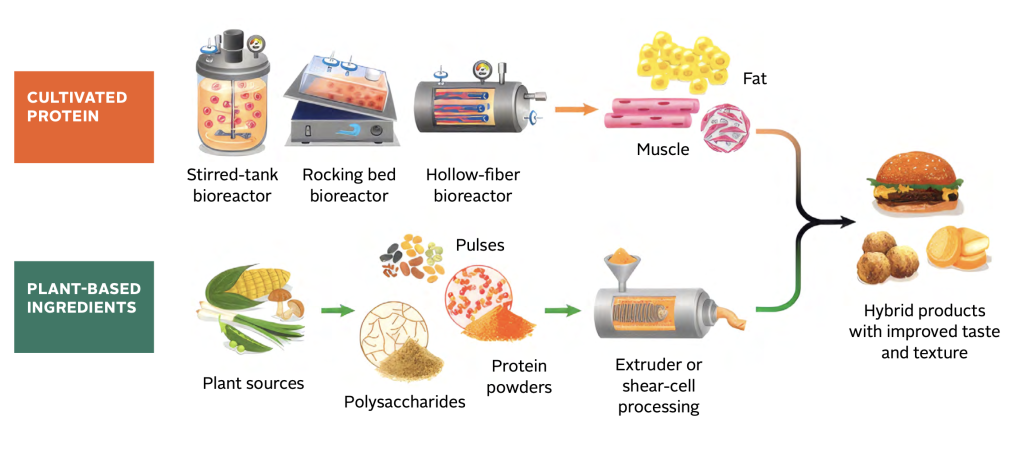
Hybrid alternative proteins using plant-based and cultivated ingredients
Source: https://www.sciencedirect.com/science/chapter/edited-volume/pii/B9780443187674000329n
CONSUMER PERCEPTIONS OF PROCESSED FOODS
Consumer perception of processed and ultra- processed foods (UPFs) reflects a mix of caution and appreciation. Many consumers associate higher processing with lower healthiness and express limited trust in manufacturers, particularly regarding contaminants or chemical residues. At the same time, food processing plays an important role in improving safety, nutritional quality, taste, and
shelf life. Emerging processing technologies offer further benefits but face challenges in consumers’ and stakeholders’ acceptance due to cost, limited information, and perceived risks. Professionals note blurred definitions and classifications of processed foods, underscoring the need for clearer communication. Greater transparency, public education, and interdisciplinary dialogue can help consumers make informed dietary choices while recognising both the advantages and limitations of food processing.
PBM can be in ultra-processed forms (eg, burgers and sausages) while often using purified plant proteins instead of whole foods. In one study, some participants perceived meat alternatives as legumes, while others saw them as highly-processed burgers. The market for ultra-processed plant-based meat substitutes is growing, while they may pose higher environmental impacts. Further research is needed to compare processed PBM and conventional foods, particularly regarding nutritional values, sensory attributes, health effects, and environmental impacts.

The ultra-processing question
A 2026 study in Frontiers in Sustainable Food Systems found that consumer concerns over ultra-processing, alongside high prices and product limitations, have contributed to slowing growth in the plant-based meat market.
Source: Beyond Meat
COST-EFFECTIVENESS OF FUTURE FARMING
Cost-effectiveness of future farming denotes the capacity of emerging agricultural systems to produce sufficient, nutritious food at competitive costs while reducing environmental impact and resource utilisation. Several key dimensions can be suggested: precision and digital agriculture, urban and controlled-environment farming, crop diversification and biofortification, alternative proteins, and incorporation of circular economy approaches.
The application of technologies such as the Internet of Things (IoT), machine learning, and artificial intelligence (AI) can enhance monitoring, control, and overall efficiency in future food systems through automation, real-time data integration, early detection of pests, diseases, and system failures, predictive analytics, and decision support. They can enable precise resource optimisation (water, energy, nutrients, and inputs), improved traceability and food safety, better yield forecasting, and reduced labour requirements, leading to lower costs, minimised waste, and improved system resilience.
In urban settings, vertical farms, indoor farms, container or modular systems, and rooftop or community-based farms reduce land dependency and transportation costs but may balance high energy and capital investments through efficiency gains. Urban and controlled-environment agriculture offers advantages, including high space efficiency, scalability, year-round production, resilience to adverse climate and weather conditions, integration with climate control technologies, reduced food miles, local food production, and enhanced community engagement and awareness.
The aforementioned alternative proteins are being explored by food scientists and manufacturers to reduce long-term costs relative to livestock by improving feed conversion efficiency and scalability, while contributing to sustainable and food-secure systems. However, several challenges related to production scale, safety regulations, limited data on nutritional and health profiles, and consumer acceptance remain and must be addressed.
Crop diversification and biofortification can improve nutritional quality and system resilience without proportionally increasing agricultural inputs, thereby enhancing cost efficiency. However, achieving a balanced and diverse diet remains challenging for many populations, leading to persistent micronutrient deficiencies, particularly in low- income settings. Food-based approaches such as fortification and dietary diversification are widely used to address these gaps. Crop diversification, which is defined as the cultivation of multiple crop species or varieties within the same area over a given period, offers a strategy to reduce reliance on monocultures and strengthen the resilience of food systems.
Circular economy enables the valorisation of food side-streams and waste, and reduces input costs. By closing loops within the food system, they promote regenerative practices, minimise food losses across the supply chain, and convert by-products into valuable resources such as animal feed, alternative foods, bioenergy, or nutrient amendments.
The establishment of food laws and regulations is required to protect health, satisfy consumer needs, and ensure fair trade practices.
THE KEY ROLE OFF THE PUBLIC SECTOR IN SUPPORTING THE FUTURE FOOD SYSTEM
Governments play a crucial role in achieving food security and supplying the estimated future food demand. The establishment of food laws and regulations is required to protect health, satisfy consumer needs, and ensure fair trade practices.
The importance of governments in driving food innovations for a sustainable food system is also reflected in a report by the Tony Blair Institute for Global Change. It stated that “scaling food technologies requires overcoming several barriers”. There are some key barriers to scaling up food technologies: vested interests, lack of demand, lack of risk capital, infrastructure, and inputs such as power, regulatory burdens, and basic science or research and development. Although overcoming these barriers will require several role players (innovators, scientists, and investors) to come together, governments hold ambition and drive the direction of significant responsibility for setting the change. Governments also have a role to play in providing funding, infrastructure, and innovative regulation.
CONCLUSIONS AND FUTURE PROSPECTS
A sustainable alternative food system requires
an integrated approach spanning crop selection, future farming technologies, urban agriculture, hybrid foods, and efficient processing. Source crops should be nutrient-rich, climate-resilient, and familiar to farmers, such as underutilised legumes.
Transitioning from livestock to crop-based systems should be gradual to safeguard livelihoods. Urban and controlled-environment farming can reduce land dependency, enhance year-round production, and improve supply chain efficiency. Hybrid foods and alternative foods like plant-based, mycelium-based, and cultured proteins offer nutritional, environmental, and economic benefits. Efficient food systems must integrate farming, processing, and nutrition, including reducing food waste through innovations like NTU’s zero-waste fermentation of post-harvest side-streams. Strong public-private and regional partnerships are crucial to scaling technologies and innovations, exemplified by Singapore Agri-Food Innovation Lab and ‘Singapore Food Story 2’ initiative.
Together, these strategies can create resilient, sustainable, and nutritious food systems capable of meeting future demands while promoting environmental sustainability. ∞
Acknowledgments: We would like to thank NTU Singapore for their continued support. We would like to thank Dr Malsha Samarasiri for her assistance in data sourcing and review.
PROF WILLIAM CHEN
Prof William Chen is the Michael Fam Endowed Professor in Food Science & Technology Programme at Nanyang Technological University, Singapore. He also serves as Director of the Future Ready Food Safety Hub (FRESH) and the Singapore Agri-Food Innovation Lab (SAIL).
Prof Chen is active in securing and leading major competitive research grants from government agencies and international food companies. His work has been published in leading food journals, while his food technology innovations have gained global recognition and industry
adoption. His views on food technology, food safety, and food security are regularly featured in local and international media.
He is an advisor and consultant to overseas universities, government agencies, industry partners, and international organisations, including the Singapore Food Agency, Enterprise Singapore, Asian Development Bank, Food and Agriculture Organization, World Health Organization, and World Economic Forum.

2026 | ISSUE 15
THE FIGHT FOR (GOOD) FOOD