
Plotting for Health: Urban Agriculture’s Answer to Malnutrition

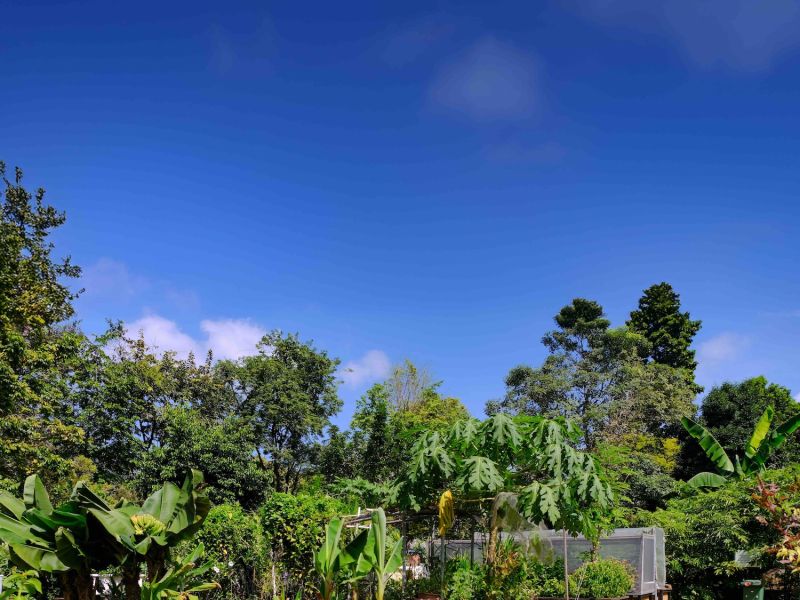
An allotment garden in hort park. The Allotment Gardening Scheme in Singapore allows people to lease plots for growing greens or plants. These plots are found in public spaces and parks islandwide.

We often associate malnutrition with rural areas. In the era of urbanisation, this is changing.

While rural areas still show higher percentages of malnutrition, the absolute number of residents in urban areas facing hunger and malnutrition is much higher. This is because more than half the global population live in urban and peri-urban areas. A 2024 report by the High Level Panel of Experts on Food Security and Nutrition of the UN Committee on World Food Security found that three- quarters of the world’s malnourished populations — 1.7 billion of the 2.2 billion — live in urban and peri-urban spaces. 1

Indeed, food expenditure in cities dropped during the COVID-19 lockdowns, which resulted in supply chain breakdowns or their residents losing income. 2 Some cities and towns addressed

The rise of community gardening


First piloted at HortPark in 2016, Singapore’s Allotment Gardening Scheme aims to encourage urban farming, strengthen community ties, and reconnect city dwellers with food production by allowing residents to lease small plots for about S$65 a year to grow edible plants.

Photo: Kandl / iStock

this by encouraging urban agriculture by distributing seeds and facilitating plots of land for community farms. One study in the West found that community farms increased 25% and 16% between 2020 and 2021, and 2021 to 2022, respectively, after seeing a 0.32% reduction between 2019 and 2020. 3

Moreover, such a movement is also beneficial in alleviating malnutrition. Urban agriculture can provide more nutritious foods to urban residents alongside environmental, social, and economic benefits.

As 70% of the global population is expected to be urban by 2050, and we are losing 1.6 to 3.3 million hectares of prime agricultural land to urbanisation annually,4 it is not only unsustainable but also inequitable that food production is left to rural areas.

WHY IS MALNUTRITION RISING IN CITIES AND TOWNS?

The rise of malnutrition — across all socio- economic levels in cities and towns — is worsened by a complex interplay of rising urbanisation, high food prices, deteriorating living and lifestyle conditions, and limited access to nutritious foods. These frequently give rise to the “double burden” of malnutrition, characterised by the coexistence of undernutrition and overnutrition within the same communities. Undernutrition is caused by inadequate access to nutritious food, poor health and sanitation, and a lack of understanding of healthy diets. Overnutrition, which often leads to obesity, results from excessive intake of energy- dense, nutrient-poor fatty or sugary foods, combined with low physical activity.

Unlike rural populations, who may have access to subsistence produce, urban dwellers are almost entirely dependent on cash income for food. Longer work hours and the higher share of parents or carers in the workforce deter home cooking of whole foods. Residents hence turn to convenience or purchased food. In recent years, high food price inflation, which is on average cumulatively 35% higher than pre-pandemic levels globally,5 coupled with climbing living costs, has frequently forced families to choose between quantity and quality. Those impacted shift away from nutrient-dense whole-food diets to cheaper street or ultra- processed convenience foods that may be high in fats, sugars, and salt but low in essential vitamins. Furthermore, as farms move farther away due to urban sprawl, longer supply chains and higher food miles add to the cost of food.

WHAT IS URBAN AGRICULTURE, AND HOW CAN IT HELP?

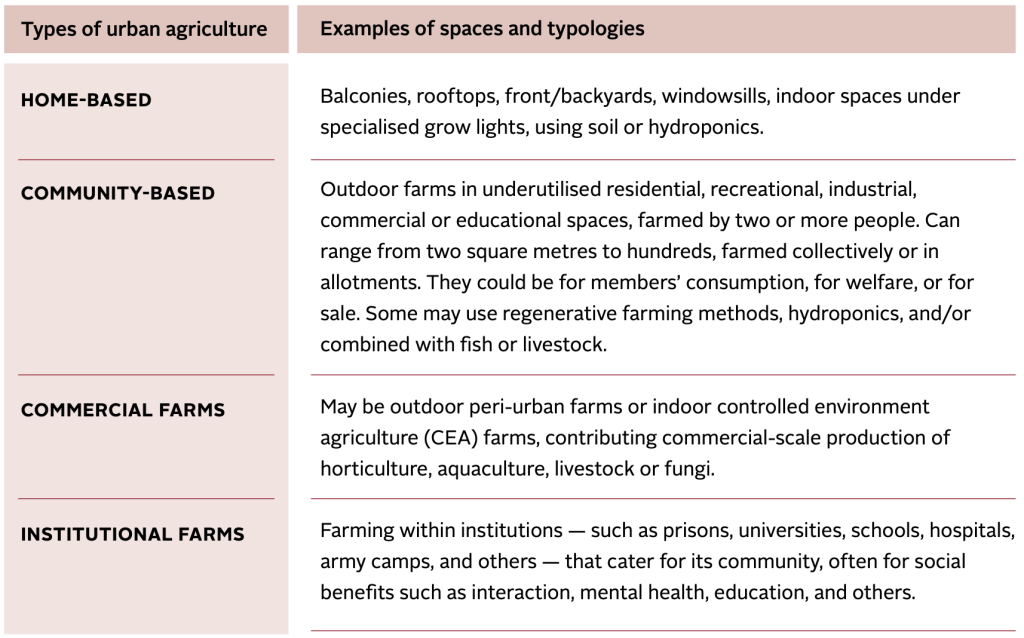
There are four main types of urban agriculture: home-based, community-based, commercial, and institutional agriculture (Table 1). These may produce vegetables, herbs, fish, insects (and their products, such as honey), livestock (including their products, such as eggs or milk), or mushrooms. They can be low- or high-tech and may incorporate mixed cropping systems, ornamental plants, hydroponic systems or aquaponic systems.

Table 1: Summary of types of urban agriculture

Localised food production enables ready access to diverse fresh produce and medicinal herbs that retain nutrition for longer and can contribute to overall health. Food purchased in supermarkets is typically stored for many days. Imported food may be stored for periods of up to months or even years. As vitamins and trace nutrients degrade immediately after harvest, even when refrigerated, extended storage reduces the nutrients eventually consumed. For example, one study found that various salad leaves lost between 35% to 86% of their vitamin C 10 days after harvest, even if stored at 4°C.6

Urban farms may also allow on-demand harvesting, which means yields over time are higher, and there is less waste. If the urban farm also uses organic or regenerative principles, the produce could also be a richer source of vitamins, micronutrients, fibre, and protein compared to factory-farmed food.

Furthermore, urban agriculture encourages active lifestyles, as people toil the soil and care for plants. Availability of greenery mitigates air and noise pollution and reduces heat exposure. Better access to green spaces is also correlated with lower stress levels, lower cardiovascular disease rates and lower mortality.7 Community and institutional farms also contribute to improved mental health due to greater community interaction. Research has found that people involved in community gardens reported higher levels of optimism, resilience, social empowerment, and a sense of belonging to the community. 8 9

Localised food production enables ready access to diverse fresh produce and medicinal herbs that retain nutrition for longer and can contribute to overall health.

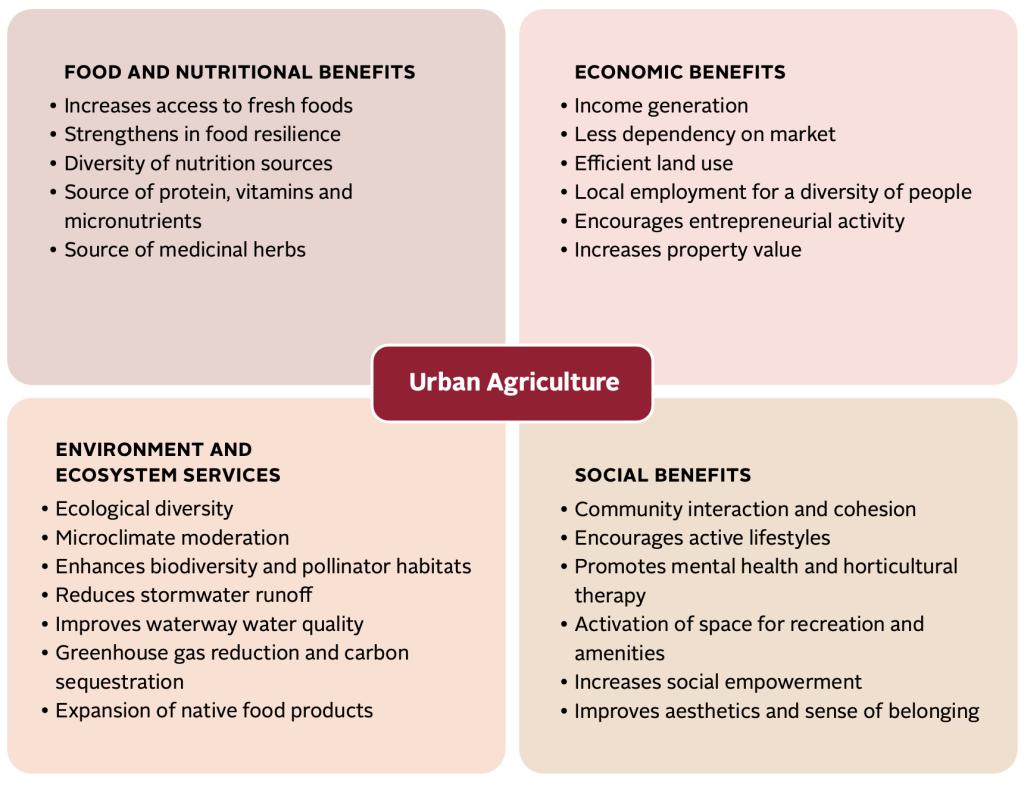
Beyond its nutritional, health, and social benefits, urban agriculture also has economic and environmental benefits (Figure 1). It is a buffer against sudden food price spikes due to supply chain breakdowns and price hikes. It can be an additional source of income if farms produce in excess; for this reason, it has been tied to youth employment, urban poverty alleviation, and women empowerment programmes. Outdoor farms can contribute to the environment by slowing stormwater runoff, sponging up precipitation to replenish groundwater, and alleviating the urban heat island effect. Ecologically, it provides services such as ecological corridors, wildlife habitats, and pollination pathways. One study found that globally, urban agriculture provides up to USD 33 billion of ecosystem services annually. 10

Figure 1: Benefits of urban agriculture

Source: Author’s work 11​

WHAT IS LIMITING URBAN AGRICULTURE, AND HOW CAN ITS GROWTH BE FACILITATED?

While urban agriculture has numerous benefits, it accounts for only a relatively small portion of the global food supply, estimated at 5% to 20%. 12  Urban and peri-urban farms are often converted to uses perceived as higher in monetary value, such as residential, commercial, industrial, or institutional projects. Some farms may be forced to move or close due to prohibitive zoning, land/space frictions relating to noise, smell and water pollution, or rising operational costs. It is a phenomenon that is challenging to slow or halt without regulatory protection of farming lands.

However, urban agriculture can evolve to different spaces. Cities often have underutilised spaces that are viable for food production. Furthermore, intensive farming technologies are now available, including vertical farming systems, grow lights, and hydroponic technologies. This has made it increasingly possible to grow food in smaller spaces. Science-informed and environmentally conscious farming methods can reduce nuisance or polluting elements.

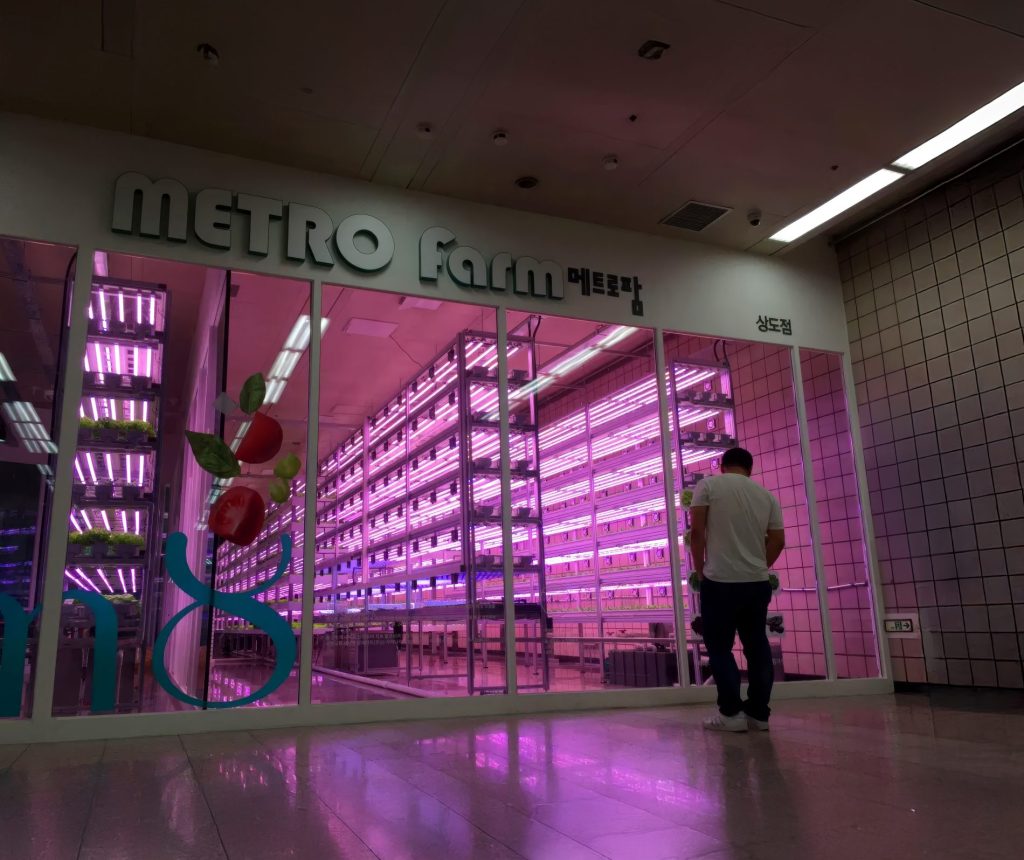
Seoul’s “Metro Farm”​

Described as the world’s first smart farm inside a subway station, Seoul’s “Metro Farm” reflects South Korea’s creative reuse of dense urban spaces for food production, with similar AI-powered farms now expanding into libraries, abandoned underground walkways, shipping containers, and disused public infrastructure.

Source: Metro Farm

Consumers can only gain benefits from urban farms if they trust the quality of the produce and are assured it is contamination-free.

Increasing urban agriculture requires deliberate, facilitative policies by national, state, or local governments. A 2019 World Bank study discovered that out of 170 surveyed Asian cities, most had policies concerning food; however, 3 in 4 reported that their policies were ineffective due to inadequate leadership, prioritisation, capabilities, or financial support. 13 Robust policy framework can enable urban agriculture to flourish. South Korea’s 2011 Act on Development and Support of Urban Agriculture led to a rise in urban farming participants from 45,000 in 2011 to 647,000 in Seoul by 2019, with allocated land for urban farming expanding from 29 hectares to 202 hectares within the same timeframe. 14 Other facilitative policies could involve grants, licensing, tenancy, taxes, and utility expenses.

Improving nutrition also requires attention to food safety systems in urban farms. Consumers can only gain benefits from urban farms if they trust the quality of the produce and are assured it is contamination-free. Indeed, some farms in rural and urban areas alike bio-contaminate their produce by applying sewage water or inappropriate faeces as fertiliser. However, it is often not economical or feasible to monitor or conduct safety checks on small, decentralised farms. To counter this, those who would like to sell their produce could join cooperatives or social enterprises that use trust- based and self-testing technological solutions to distinguish the quality of produce. For example, in Seoul, the proliferation of urban farms has led to cooperative marketplaces, where farmers can test, label, and package their produce; as a result, consumers develop relationships with the farms over time, which in turn has increased the demand for local produce.

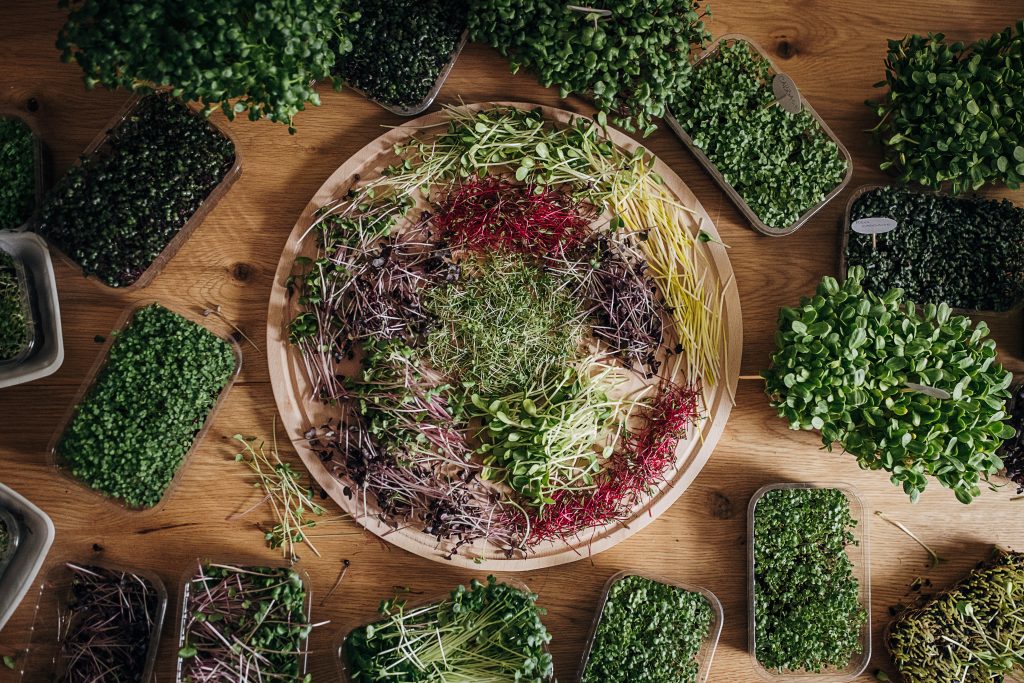
More than garnishes


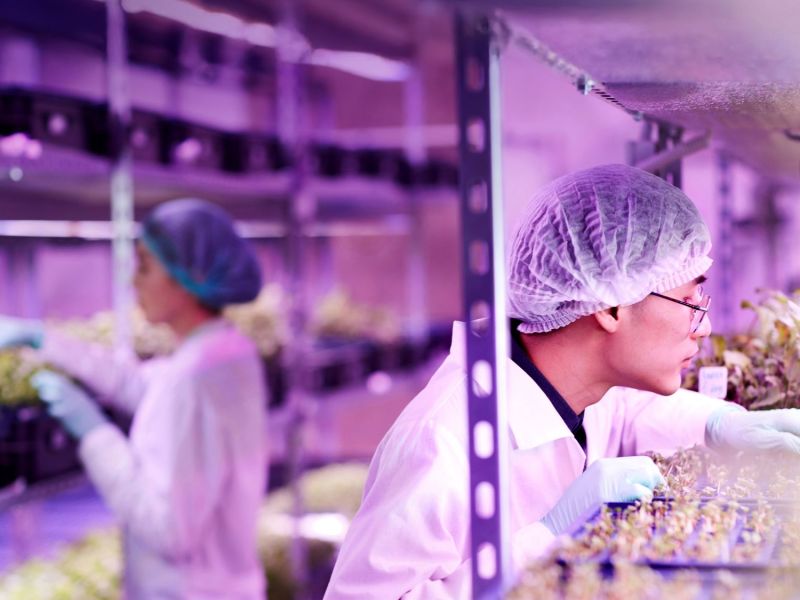
Research shows microgreens deliver 4 to 40 times higher concentrations of vitamins and antioxidants than fully grown vegetables. Crucially, they can be grown indoors in under 14 days, allowing growers to respond rapidly to local nutritional deficiencies — regardless of season.

Photo: South_agency / iStock

EVOLVING FROM A FOOD PURCHASER TO A FOOD PRODUCER

Urbanisation and climate change will continue to disrupt our food supplies, impacting the cost and availability of nutritious food. This can only increase malnutrition rates.

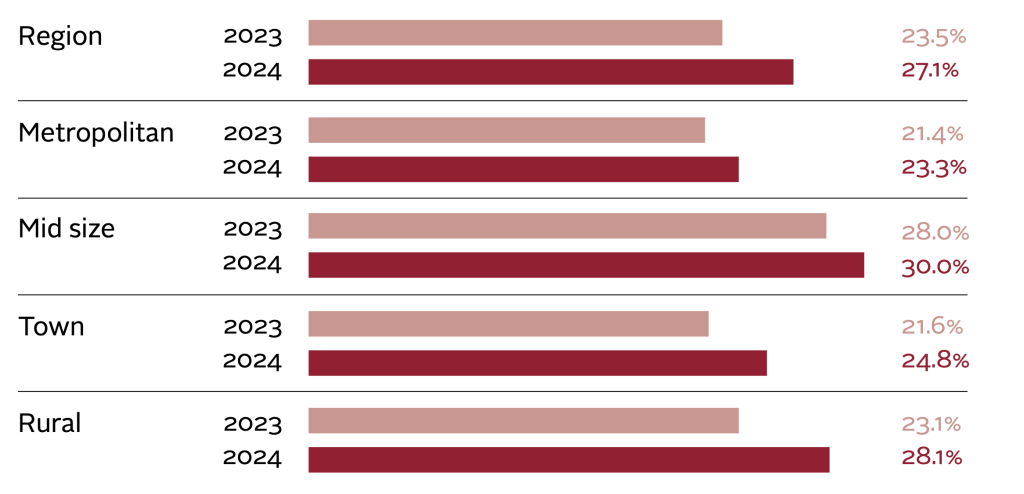
Individuals, communities, and policy makers can turn this around by increasing access to locally grown food. It requires making it easier and socially rewarding for residents to participate in food growing. If residents see it as visibly valuable, internalise the health benefits and feel the support of institutions, more may take up the opportunity to grow food and consume local foods. The annual Climate Outlook survey by ISEAS Yusof Ishak Institute found that an increasing number of respondents from cities and towns in Southeast Asia have grown food, increasing by approximately 2% between 2023 and 2024 in metropolitan cities, mid-sized cities and towns alike (Figure 2).

Figure 2: Choosing to grow one’s own food because of concern about climate change’s impact on food availability

Source: Southeast Asia Climate Outlook 2024 Survey Report 15

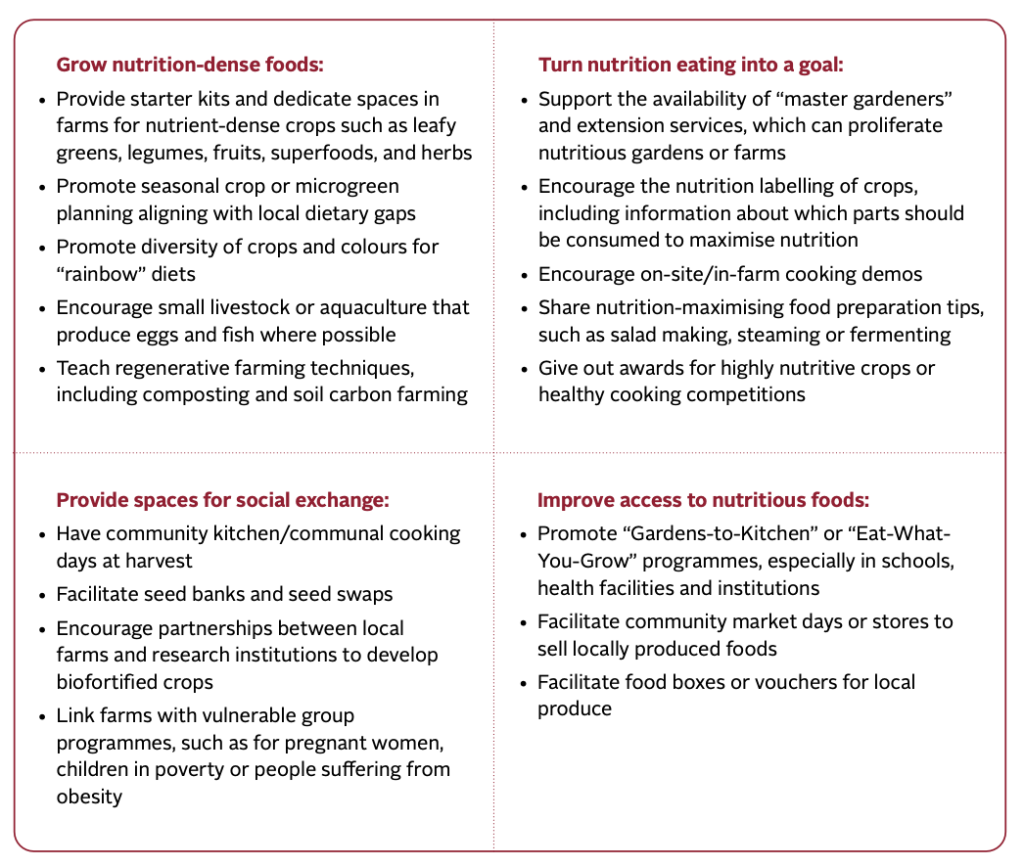
There are a host of ways to improve the proliferation of urban agriculture, but to specifically facilitate its expansion to further nutrition goals, some of the following actions should be considered:

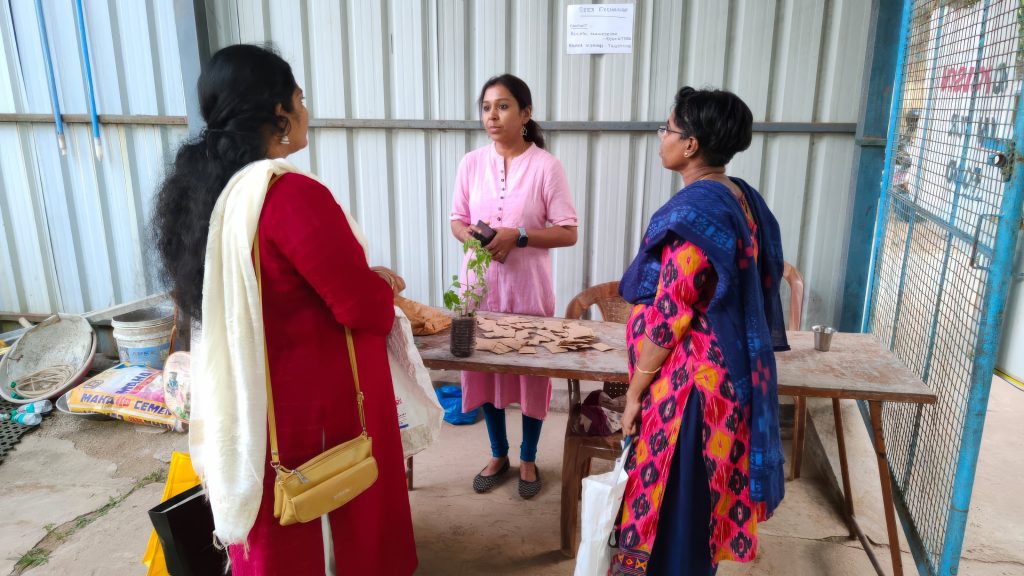
The alternative stock exchange


Seed exchanges in Chennai are driven by urban gardening communities and grassroots initiatives — without storefront or funding. Gardeners trade traditional, native, and heirloom seeds freely, gathering at seasonal swap events or coordinating through local digital networks.

Soure: tellmystory.in

Learning to maximise nutrition in what we eat is a skill, but it also requires access to high-nutrient foods.

In today’s volatile world, the adage “we are what we eat” holds true more than ever. Learning to maximise nutrition in what we eat is a skill, but it also requires access to high-nutrient foods. Urban agriculture emerges as a powerful solution, offering city dwellers access to fresh, nutritious food. This not only builds a city’s resilience, but it is also a vital contributor to our physical, mental, and environmental well-being. By embracing urban agriculture, we can reshape our cities into vibrant centres of health and ecological balance. ∞

ELYSSA LUDHER


Elyssa Ludher is an urban planner specialising in urban and regional food security policy. She is currently a Visiting Fellow at ISEAS — Yusof Ishak Institute and concurrently serves as an adviser at MORROW Intelligence. She has contributed to food policy research at the World Bank, Singapore’s Centre for Liveable Cities, and the Singapore Food Agency.

Her publications include RICH Food, Smart City, Food and the City: Overcoming Challenges for Food Security, and Preparing for a Climate Resilient Singapore. She holds dual master’s degrees in Urban and Regional Planning and Bioresource Engineering.

2026 | ISSUE 15

THE FIGHT FOR (GOOD) FOOD

  1. HLPE. “Strengthening urban and periurban food systems to achieve food security and nutrition, in the context of urbanization and rural transformation.” SDG2 Advocacy Hub, Rome, 2024, CFS HLPEFSN, https://sdg2advocacyhub.org/wp-content/uploads/2024/07/HLPE- Report-19.pdf.
  2. Kang, Yunhee, et al. “Differences in the early impact of COVID-19 on food security and livelihoods in rural and urban areas in the Asia Pacific Region.” Global Food Security, vol 31, 2021, p 100580.
  3. Bieri, Dominik, et al. “Increasing demand for urban community gardening before, during and after the COVID-19 pandemic.” Urban Forestry & Urban Greening, vol 92, 2024, p 128206.
  4. UNCCD. “Land in Numbers: Risks and Opportunities.” United Convention to Combat Desertification, 2019, https://catalogue. unccd.int/1202-Land%20in%20numbers_2%20new-web.pdf.
  5. “Low-income countries hit hardest by global food price inflation.” Food and Agriculture Organization of the United Nations, 22 Jul 2025, https://www.fao.org/newsroom/detail/un-report--low- income-countries-hit-hardest-by-global-food-price-inflation/en.
  6. Dewhirst, Rebecca A, et al. “Novel insights into ascorbate retention and degradation during the washing and post-harvest storage of spinach and other salad leaves.” Food chemistry, vol 233, 2017,pp 237–246.
  7. James, Peter, et al. “A review of the health benefits of greenness.” Current epidemiology reports, vol 2, no 2, 2015, p 131-142.
  8. Koay, Way Inn, and Denise Dillon. “Community gardening: Stress, well-being, and resilience potentials.” International Journal of Environmental Research and Public Health, vol 17, no 18, 2020, 6740
  9. Booth, Jaime M, et al. “Examining the relationship between level of participation in community gardens and their multiple functions.” Journal of Community Practice, vol 26, no 1, 2018, pp 5–22
  10. Clinton, Nicholas, et al. “A global geospatial ecosystem services estimate of urban agriculture.” Earth's Future, vol 6, no 1, 2018, pp 40–60
  11. Ludher, Elyssa Kaur. “Urban Agriculture as a Mainstream Contributor to Food Security.” Food Security Issues in Asia, 2024, pp 504–535
  12. Teng, Paul. “Urban agriculture — the future of farming.” SciDevNet, 6 Jan 2020, https://www.scidev.net/asia-pacific/opinions/urban- agriculture-the-future-of-farming/
  13. Acharya, Gayatri, et al. RICH food, smart city: How building reliable, inclusive, competitive, and healthy food systems is smart policy for urban Asia. 2021
  14. Lee, Minjee. “Seoul city aims to nurture 1 mln urban farmers by 2024.” Yonhap News Agency, 2 Oct 2020, https://en.yna.co.kr/view/ AEN20200923004300315.
  15. Ludher, Elyssa Kaur. “Takeaways from SEACO2024: Rising Food Insecurity, Growing Concern for Climate Change’s Impacts.” FULCRUM, 18 Sep 2024, https://fulcrum.sg/takeaways- from-seaco2024-rising-food-insecurity-growing-concern-for- climate-changes-impacts/

Join our mailing list

Stay updated on all the latest news and events

About

Leaders and changemakers of today face unique and complex challenges. The HEAD Foundation Digest features insights and opinions from those in the know addressing a wide range of pertinent issues that factor in a society’s development. 

Informed opinions can inspire healthy discussions and open up our imagination to new possibilities. Interested in contributing? Write to us at info@headfoundation

Stay updated on our latest announcements on events and publications

Join our mailing list

Stay updated on all the latest news and events