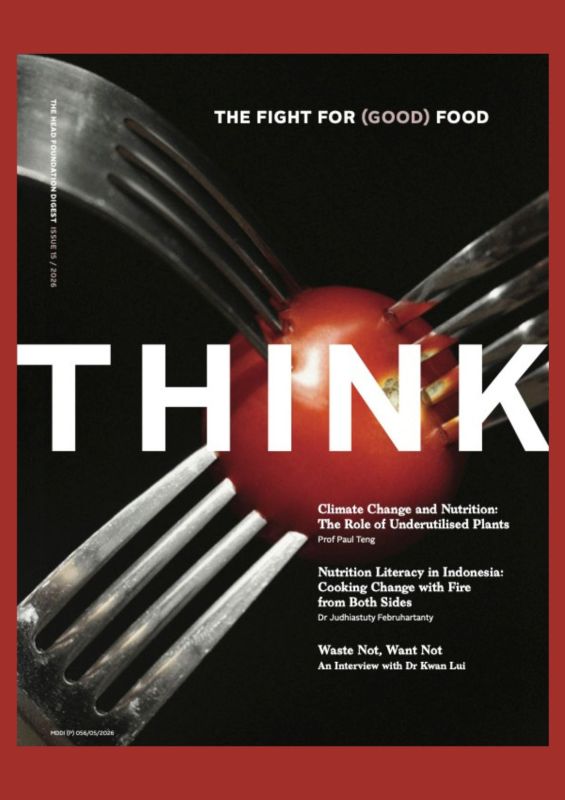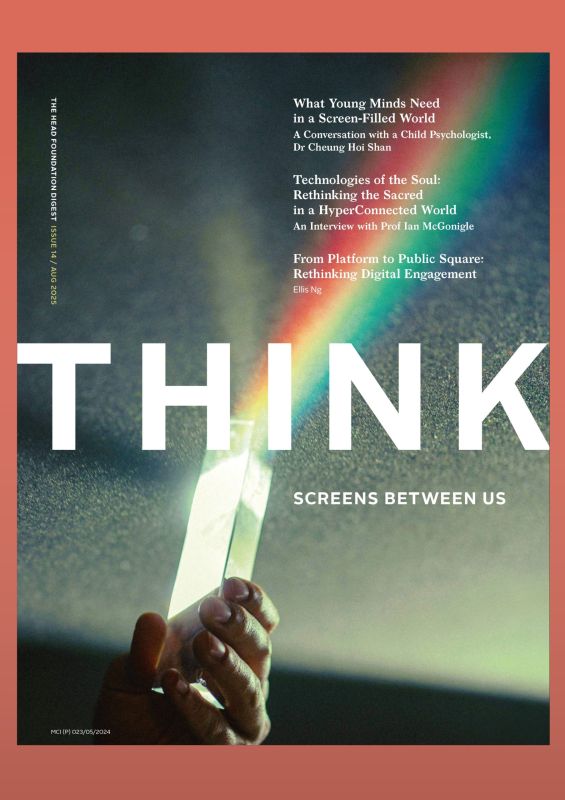


The Fight for (Good) Food
Food is one of the most intimate and taken-for-granted parts of our lives. It nourishes us, connects us to the land, and shapes the way we live. Yet behind every meal lies a complex web of choices, systems, and challenges that determine who has access to nutritious food, how it is produced, and whether our food systems can endure in a changing world.
In this issue of THINK, we explore the fight for good food—not simply the challenge of feeding populations, but the larger questions of nutrition, sustainability, and equity. From climate change and nutrition literacy to alternative proteins and urban farming, our contributors examine the forces shaping what ends up on our plates and what that means for our collective future.
Together, these articles reveal that food sits at the intersection of health, education, climate, economics, technology, and community. Our contributors remind us that lasting change requires informed choices, thoughtful policies, and stronger connections between people and the systems that sustain them.
In this issue
- Climate Change and Nutrition: The Role of Underutilised Plants
Food security is about more than calories. Prof Paul Teng explores how climate change is affecting the nutritional quality of food and argues that overlooked, climate-resilient crops could play a vital role in building healthier and more sustainable food systems.
- Novel Foods and Alternative Proteins for a Sustainable Urban Food System
Prof William Chen discusses how alternative proteins and emerging food technologies could help cities strengthen food resilience while reducing environmental pressures.
- Nutrition Literacy in Indonesia: Cooking Change with Fire from Both Sides
Dr Judhiastuty Februhartanty examines how nutrition education, policy, and community engagement can work together to improve health outcomes across generations.
… and many more.
The Environmental and Psychological Costs of Hyperconnectivity: A Malaysian Perspective on Frugal Digital Innovation
In this era of hyperconnectivity, the “always-on” culture — driven by round-the-clock social media activity, continuous digital engagement, and incessant mobile phone notifications — has…

Scroll, Plant, Share: Innovation Lessons from India’s Rural Farmers
Every few weeks, we are reminded of social media’s toxicity. In Singapore, studies increasingly link heavy social media use to poor sleep quality, high rates…

What Young Minds Need in a Screen-Filled World: A Conversation with a Child Psychologist, Dr Cheung Hoi Shan
From bedtime routines interrupted by YouTube videos to classroom attention diverted by WhatsApp chats among classmates, mobile devices and social media are profoundly influencing childhood.…

Managing Minds and Mobiles: Parents, Screen Time, and the Child Who Learns Differently
We have both sat across from parents near tears — not because their child was failing in school, but because their child could not seem…

Smart Nation, Anxious Parents: How to Raise Screen-Ready Children?
Let’s indulge in a thought experiment. An alien lands in Singapore on a mission: to understand the rules of how children and adolescents interact with…

Winning at What Cost?: The Psychology of Gamification and The Fight for Our Focus
In an era where smartphones and ceaseless digital interaction dominate our lives, our daily experiences have been subtly transformed into a game. Simple acts such…

My Leisure Is Not Your Capital
I am Yi Bin, a person trying to live life on my own terms. I went to the Rhode Island School of Design to learn…

Technologies of the Soul: Rethinking the Sacred in a Hyperconnected World — An interview with Prof Ian McGonigle
In this issue, THINK’s Chief Editor spoke with filmmaker and anthropologist Ian McGonigle about his award-winning documentary Technologies for the Soul. The film examines how…

From Platform to Public Square: Rethinking Digital Engagement
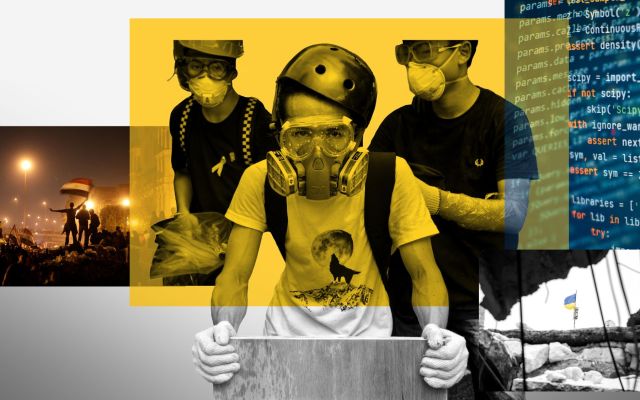
In Asia, the role of social media as the main catalyst for civic engagement is declining. What can community builders do to help people connect?…
From Presence to Performance: Rethinking HR in the Always-On Workplace
Digital connectivity has fundamentally reshaped workplace expectations, contributed to widespread employee burnout, and challenged traditional human resources practices. Born in the early 1980s, I have…

Clickbait or Consumer Guide?: How Influencers Drive Our Purchases
Consumers’ purchasing behaviour varies depending on factors such as psychological state, socioeconomic conditions, cultural influences, and personal reasons. In the not-so-distant past, celebrity endorsements were…

The Wrong Way to Look at Art And Why It Might Be Right
The Wrong Biennale is not a traditional art event. There are no museums, no galleries, and no opening night. Instead, it lives entirely online.…